
Lone Worker Safety
Do You Need a Lone Worker Safety System? Take the Questionnaire
Working alone hides inside industries that never label themselves that way. If you cannot say with certainty that your people are covered, this short self-assessment will show you where the gaps exist.
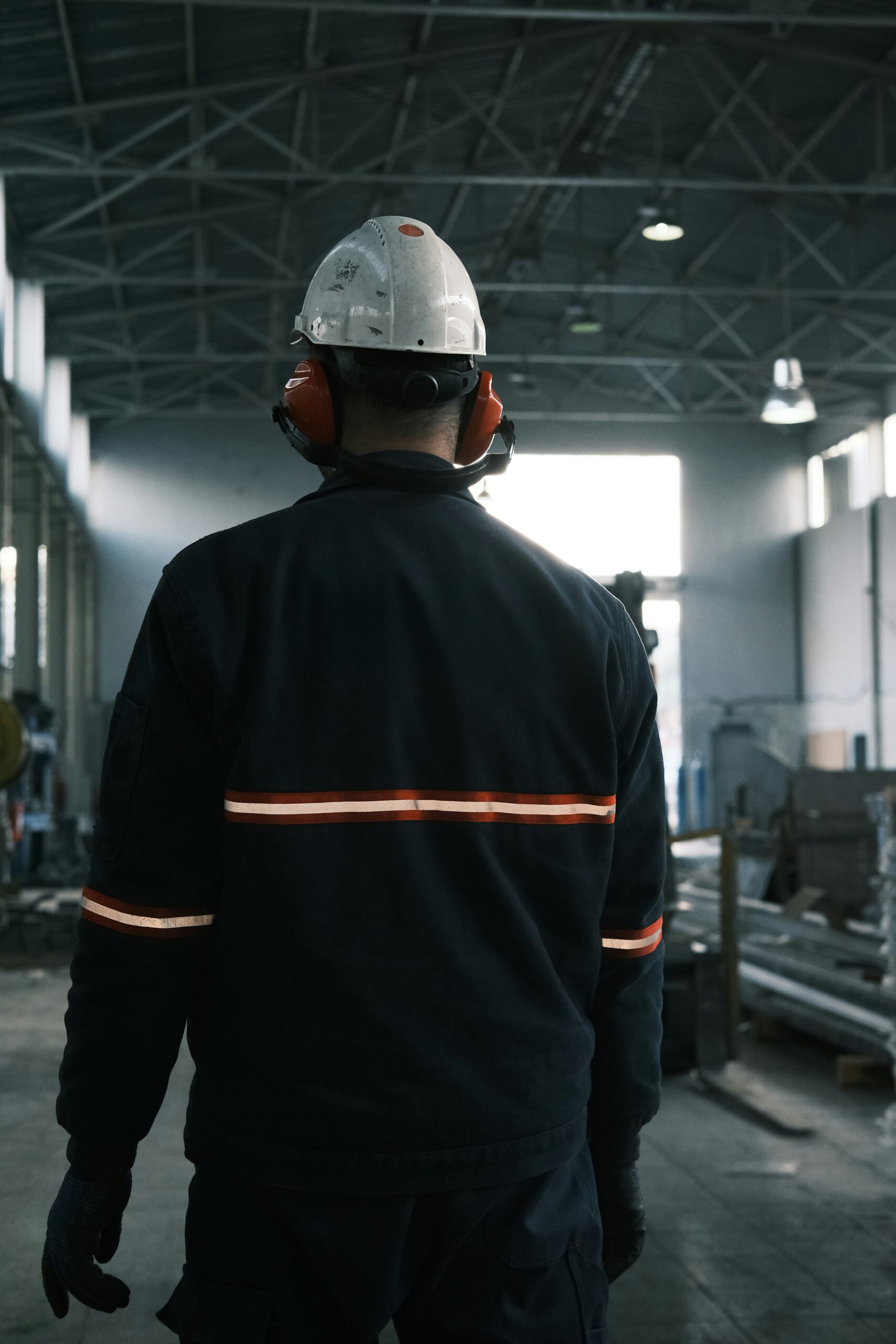
Picture these lone workers: a security guard walking an empty building at 2 a.m. A utility technician miles away from the nearest road. A police officer or fire investigator alone at a scene. Those jobs clearly need protection, and organizations that employ them usually know it.
Working alone hides inside industries that never label themselves that way. A home healthcare nurse or nurse's aide unlocking a stranger's front door. A warehouse picker still on the floor after the rest of the crew has left. A worker who ducks into a walk-in freezer for "just a minute." None of these jobs match the stereotype. Any of these workers can end up hurt, unconscious, or trapped with no one nearby to notice. If you cannot say with certainty that your people are covered, the short questionnaire below will show you where the gaps exist.
Lone work is not a niche. It is everywhere.
Anyone who spends part of the workday beyond the sight and hearing of a coworker counts as a lone worker. It does not matter if they started their shift as part of a full team. It does not matter if they stay inside your building. That definition pulls in far more people than most employers realize. Three industries rarely see themselves in this category — however, each belongs there.
Home healthcare and social workers
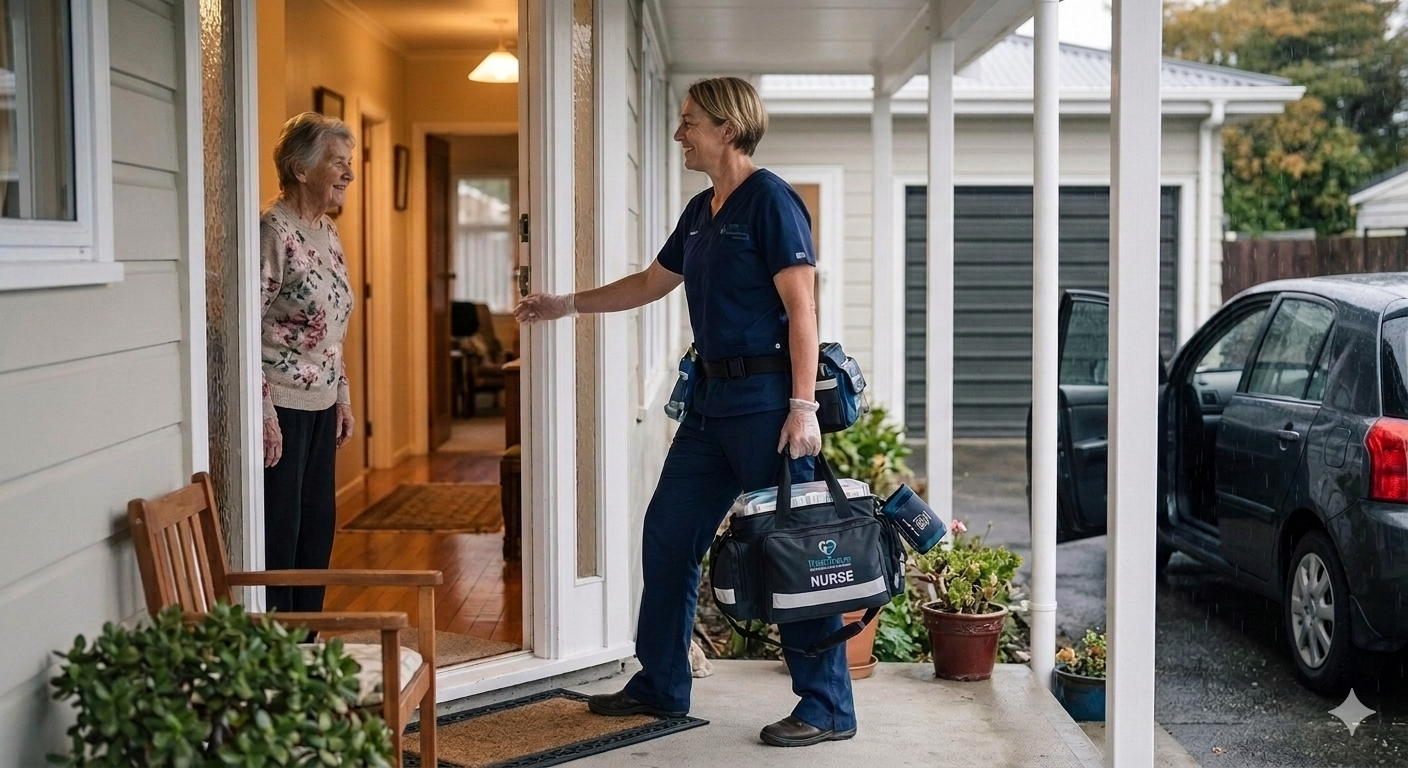
They perform their most critical tasks alone, inside other people's homes, often in unfamiliar neighborhoods and sometimes with clients in crisis. The danger can be real. Healthcare and social-assistance workers already record workplace-violence injuries at levels several times the private-sector average. A 2025–2026 National Nurses United survey found that 84.8 percent of nurses experienced at least one workplace-violence incident in the prior year.
Remove the hospital — no security desk, no colleague down the hall, no wall-mounted panic button — and now place that same worker alone in a client's living room. A visit that turns hostile, a fall on an icy sidewalk or porch, or the worker's own medical emergency can go unnoticed for hours.
Warehousing and distribution workers
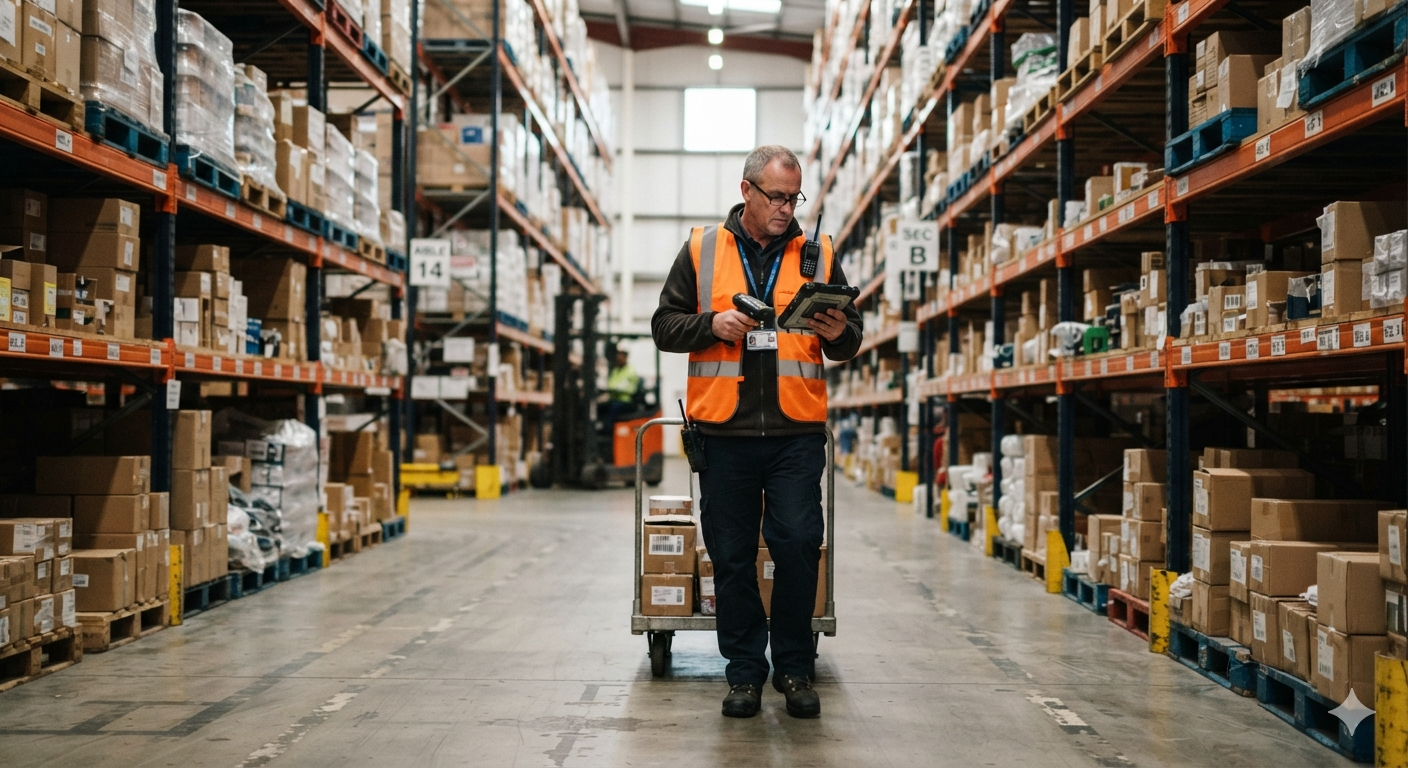
They work alone constantly. A picker in a distant aisle. A night-shift receiver. Someone climbing racking or running equipment after the floor has emptied. The hazards are numerous and severe. The transportation-and-warehousing sector recorded 930 fatal work injuries in 2023 — a fatal-injury rate of 12.9 per 100,000 workers, more than three and a half times the all-industry rate of 3.5. Forklifts alone account for roughly 85 deaths and 34,900 serious injuries a year in U.S. workplaces.
A worker struck, pinned, or fallen in an aisle nobody is watching may wait a long time for help that could have been summoned immediately with an alerting device.
Freezers and cold storage
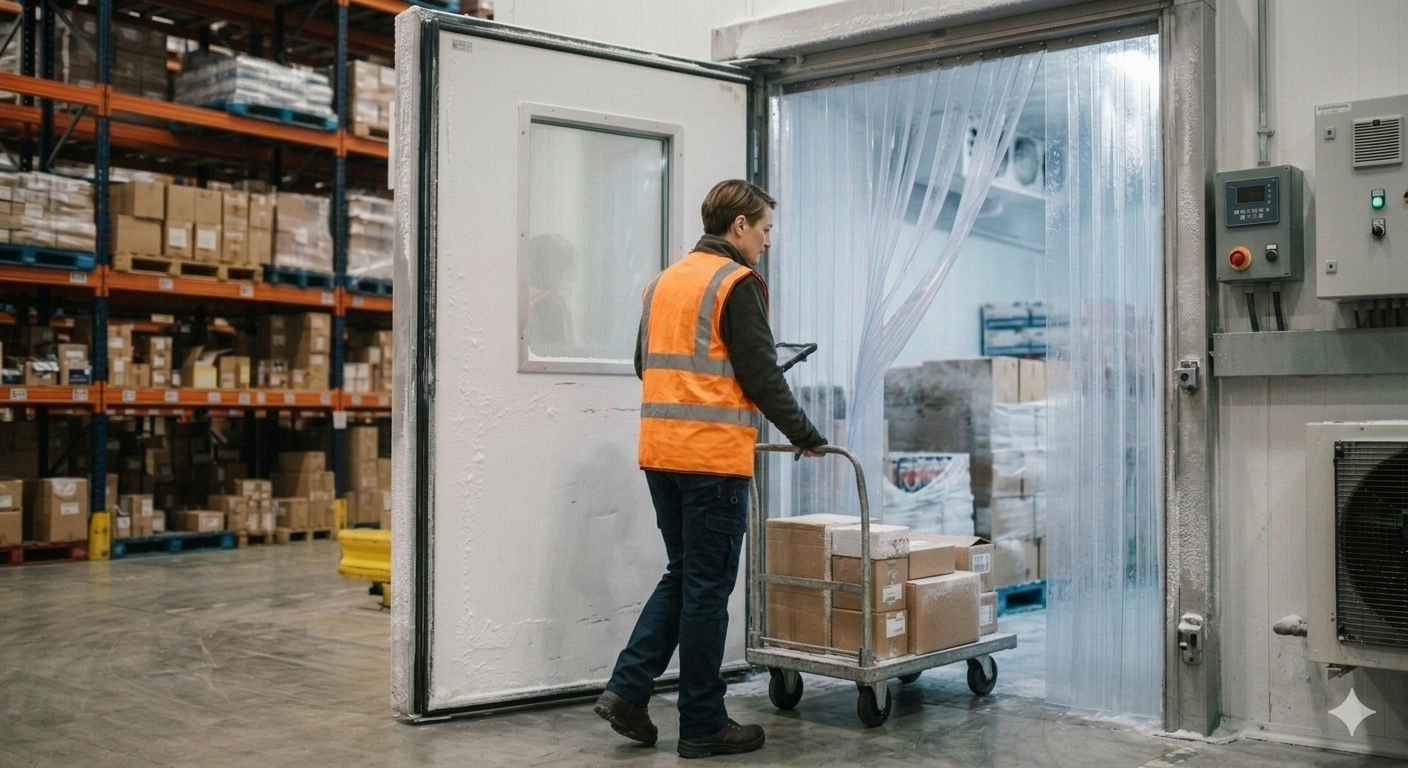
These rank among the most under-recognized lone-worker environments — and among the least forgiving. Workers there are injured at about 5.5 per 100, more than double the 2.7 national average. Slips and forklift incidents matter, but the cold itself becomes the greater threat. A worker who slips, is struck, or becomes trapped in a sub-zero room faces cold stress and hypothermia within minutes.
It happens
In one widely reported case, a café employee remained trapped in a walk-in freezer set to −18 °C for two and a half hours, was treated for suspected hypothermia, and was only discovered when a colleague happened upon her. Investigators found no risk assessment for temperature-controlled work. The company was fined £800,000. A worker alone in a freezer does not have hours. They may have minutes.
The list keeps growing. Field and utility technicians, oil-and-gas and telecom crews, arson and insurance investigators, code-enforcement and building inspectors, forestry and game wardens, agricultural workers, delivery drivers, grain-handling and sandblasting and coatings operations, hospital and facility maintenance staff working after hours — all of them regularly operate beyond the sight and sound of a coworker. If any of that describes your operation, the next question is simple: how would you know if one of them needed help right now?
The lone worker questionnaire
Use this short self-assessment to measure your exposure. Answer yes or no to each question as it applies to your operation. Give yourself one point for every "yes." Be honest — the goal is accuracy, not a flattering score.
Answer the questions above to see your exposure level.
Every "yes" adds one point. Your result appears here as you go.
What your score means
0–2 points
Low exposure, stay alert.
You may have relatively few lone workers, but be sure to complete this questionnaire periodically as your operation changes. Isolation often creeps in with growth, new shifts, or new sites.
3–6 points
Meaningful exposure, act soon.
You carry real lone-worker risk that is not fully covered. At least one plausible scenario exists in which an injured employee could not summon help. This is the range where a modest investment prevents a serious incident.
7 or more points
High exposure, act now.
Your people regularly work alone in conditions where a fall, an assault, a medical event, or an entrapment could go undetected — and you likely cannot document that you are managing it. A dedicated lone-worker safety system should move to the near-term priority list, not the someday list.
Notice how many of the questions have nothing to do with how dangerous the job feels day to day. The defining risk of lone work is not the hazard itself. It is the absence of anyone to notice when the hazard finds you. That is the exact gap a lone-worker system is built to close.
What a lone worker safety system actually does
A solid system answers four questions automatically, around the clock:
- Where is my worker?
- Are they okay?
- Can they call for help instantly?
- Can I prove I am watching over them?
A personal cell phone cannot reliably do any of these. It must be found, unlocked, and dialed — impossible if the worker is unconscious, injured, or under attack.
MicroCELL® — for remote, distributed workers
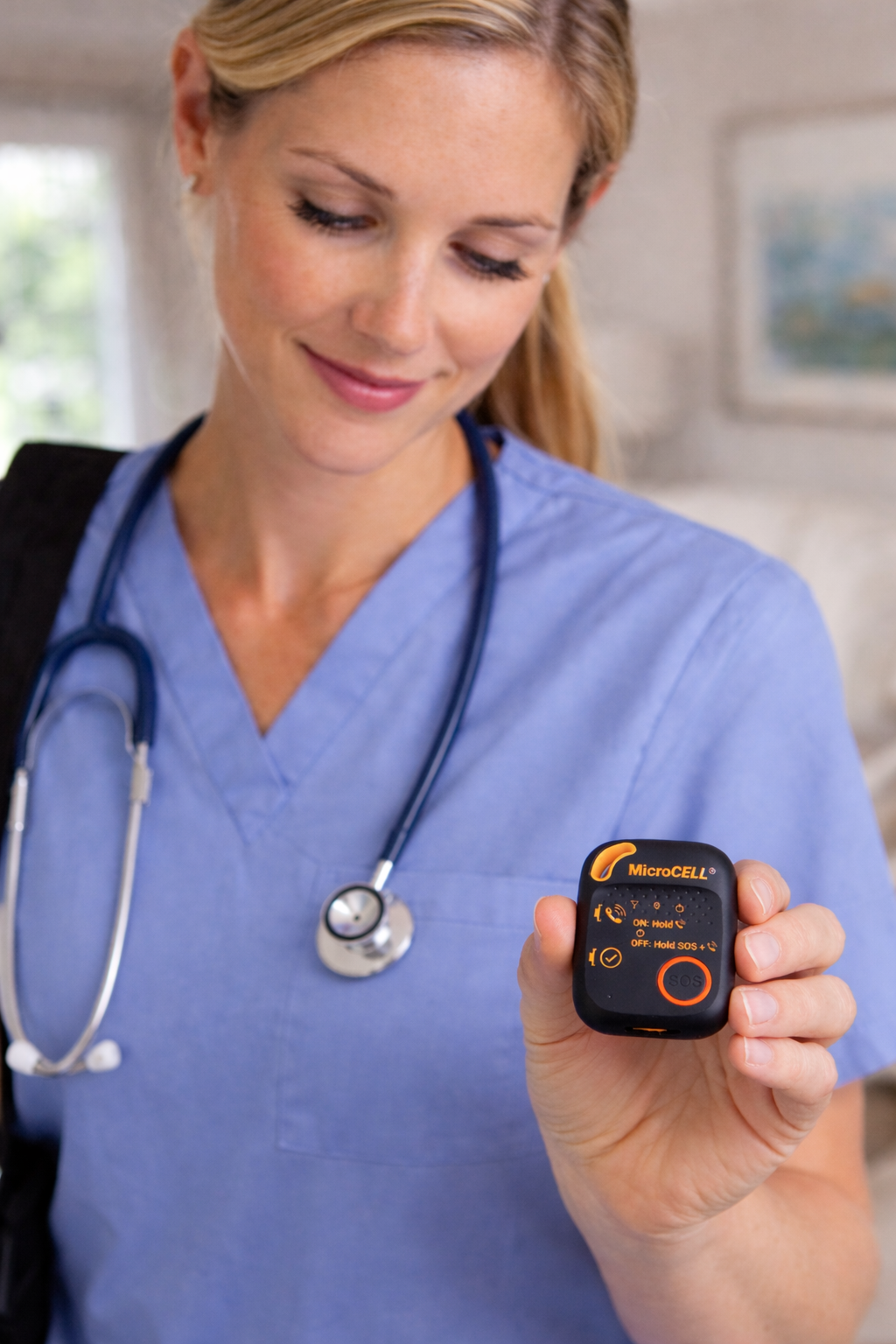
Grace Industries' MicroCELL® is built for certain roles this questionnaire targets, such as utility workers or home healthcare nurses whose work is remote and distributed across various locations. It is a rugged, palm-sized cellular device (IP67-rated) featuring a dedicated SOS push-button, configurable fall-detection and no-motion alarms, and scheduled check-ins. A fall, a motionless worker, or a missed check-in confirmation automatically raises the alarm even when the employee cannot act.
Through the Grace Cloud Connect® web portal and phone app, supervisors track worker locations in real time, alerts escalate to multiple recipients under customizable protocols, and every check-in and incident is logged to the cloud — the documentation regulators and insurers increasingly expect. It even delivers text-to-voice messages to the field, with no personal phones required, all at a fraction of the cost of a single serious incident.
WorkForce - for crews at a fixed site
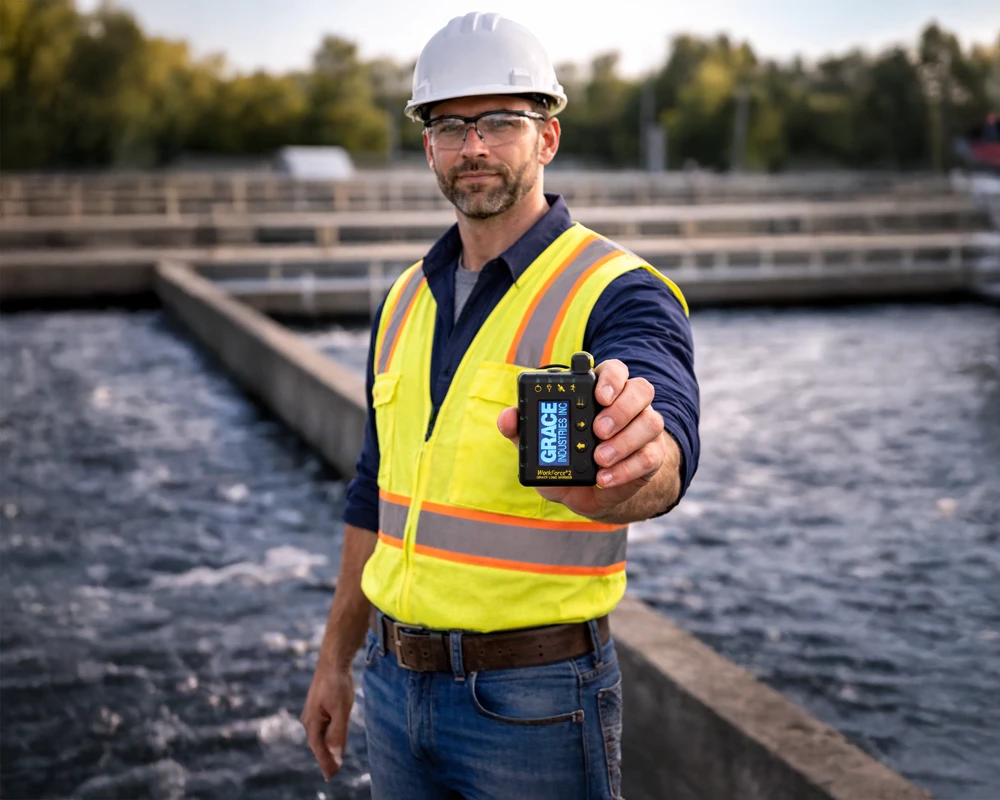
For crews, individuals, and paired workers reporting to an on-site or fixed location such as a warehouse or manufacturing facility, Grace's WorkForce® pendants are an excellent choice. They operate with much of the same functionality as the MicroCELL® but without a cellular connection in each device. Both run on the same Grace Connected Safety® platform, but WorkForce® requires only a single subscription for all pendants — providing significant cost savings over time when monitoring multiple individuals.
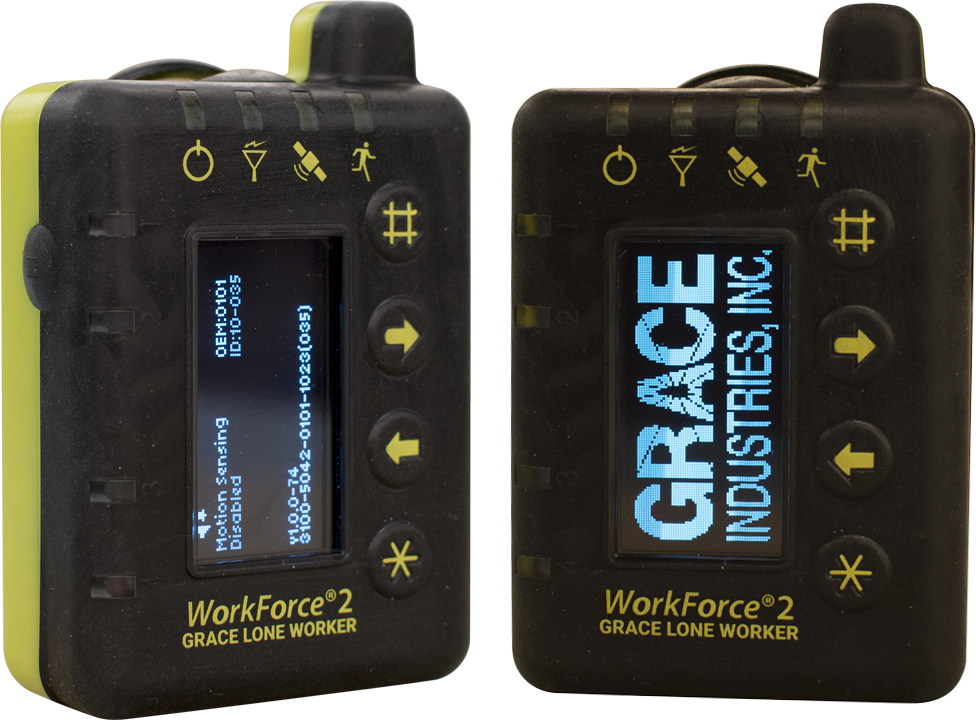
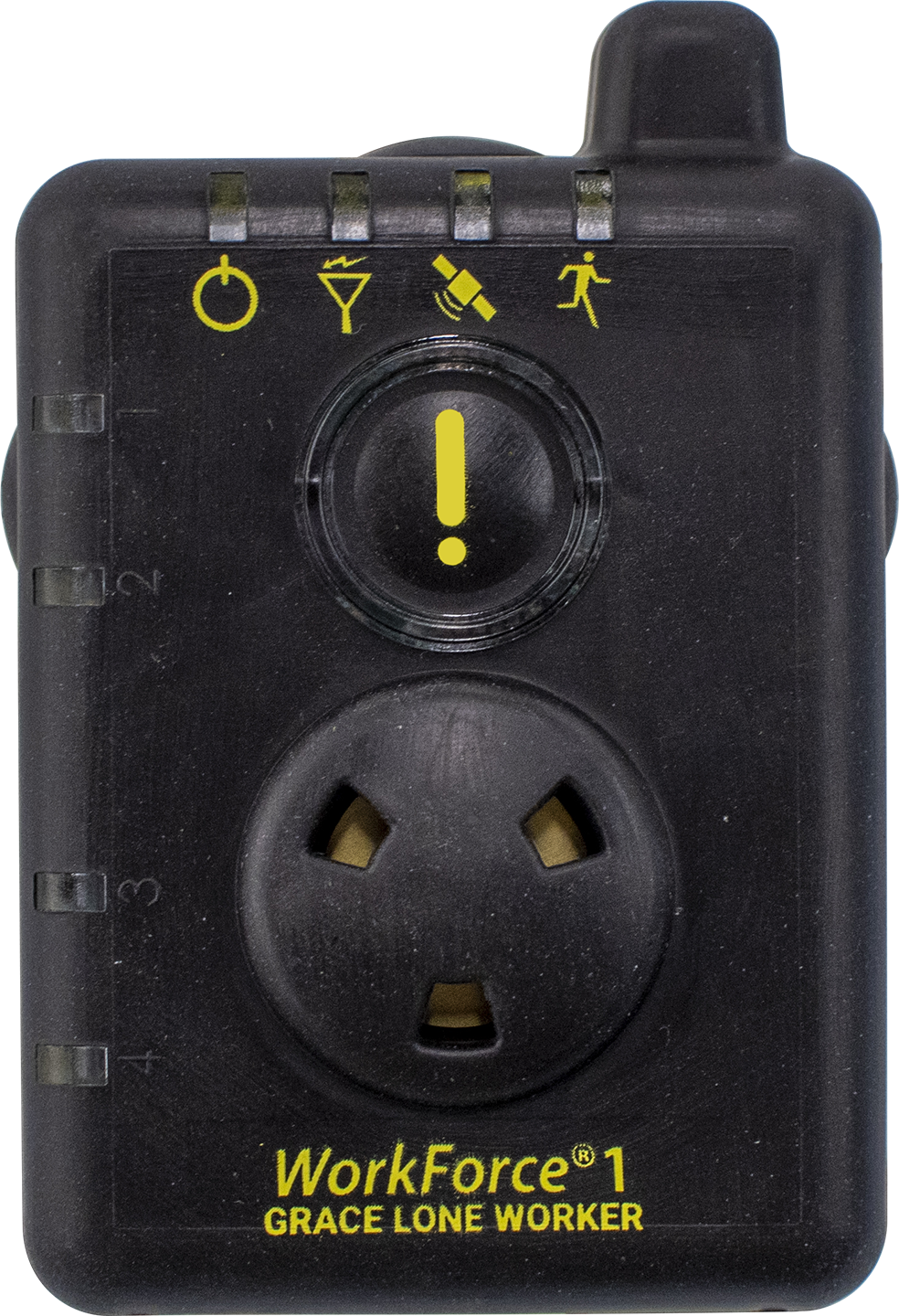
The WorkForce® Buddy Package enables two workers to watch over each other in real time, while the WorkForce® WF2 supervisor model monitors an entire crew simultaneously.
The bottom line
The most susceptible lone workers are the ones nobody counts as lone workers. If your honest score landed at three or higher, the risk is already inside your operation. The only question is whether you discover it on your own terms or after an incident forces the issue.
Protecting an isolated employee costs just a few hundred dollars. Failing to protect a lone worker can cost far, far more.
This article is provided for general information and is not legal advice; employers should consult qualified counsel about their specific obligations. Grace Industries has protected those who work in harm's way for over 50 years. To learn more about the MicroCELL® and WorkForce® safety devices and the Grace Connected Safety® platform, visit graceindustries.com, call 1-724-962-9231, or email sales@graceindustries.com.
Next step
Find out what covering your lone workers would actually take
Tell us how your crews are distributed and where they work alone. We'll walk through what a MicroCELL® or WorkForce® deployment would look like — no obligation.