
Regulation & Compliance
Lone Worker Laws Are Changing: What's Coming and What to Do Now
Canada already treats working alone as a regulated duty. California has written workplace-violence prevention into statute. Europe and the UK locked the framework in place decades ago. Here is where the rules are heading — and why waiting for one with your name on it is the expensive choice.
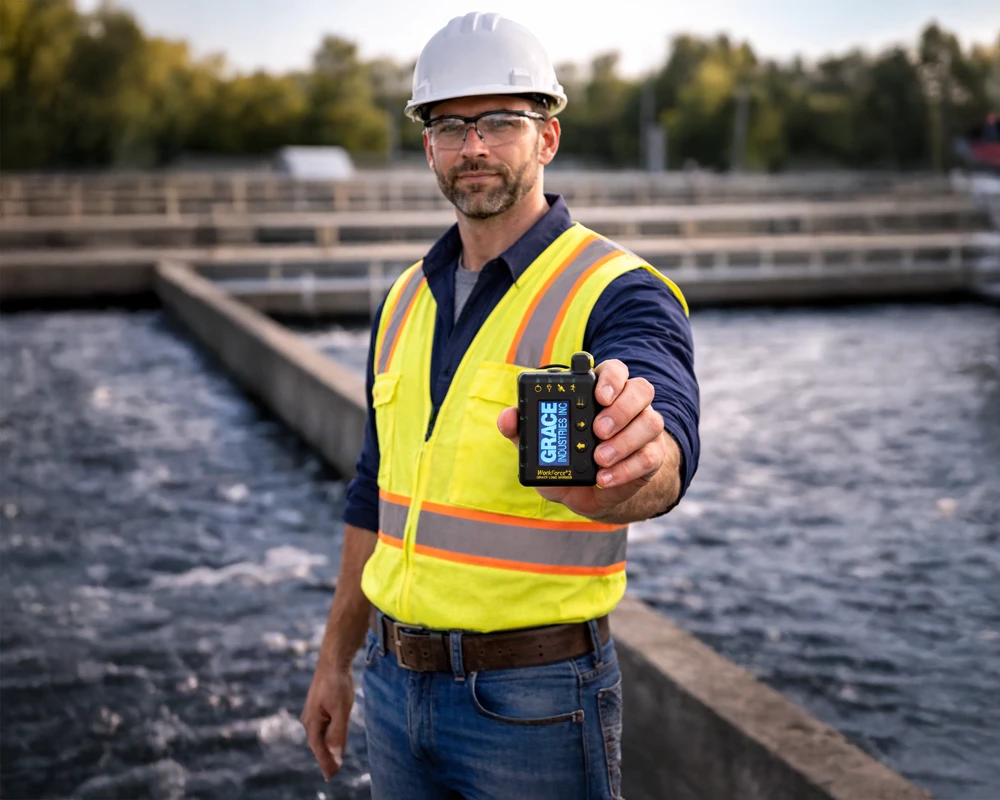
For many years, keeping lone workers safe was in the realm of good practice. Responsible employers recognized it and handled it. The law stayed mostly silent on the details. That window is closing fast.
Canada already treats working alone as a regulated duty. California has written workplace-violence prevention into statute. Europe and the UK locked the framework in place decades ago. Home-healthcare nurses, security officers, field technicians, drivers, inspectors, cold-storage workers — anyone who spends part of the day out of sight and earshot of a colleague — now faces rules that are tightening around them faster than many organizations expected.
The data, the direction of the law, and the cost of delay all point the same way: move early.
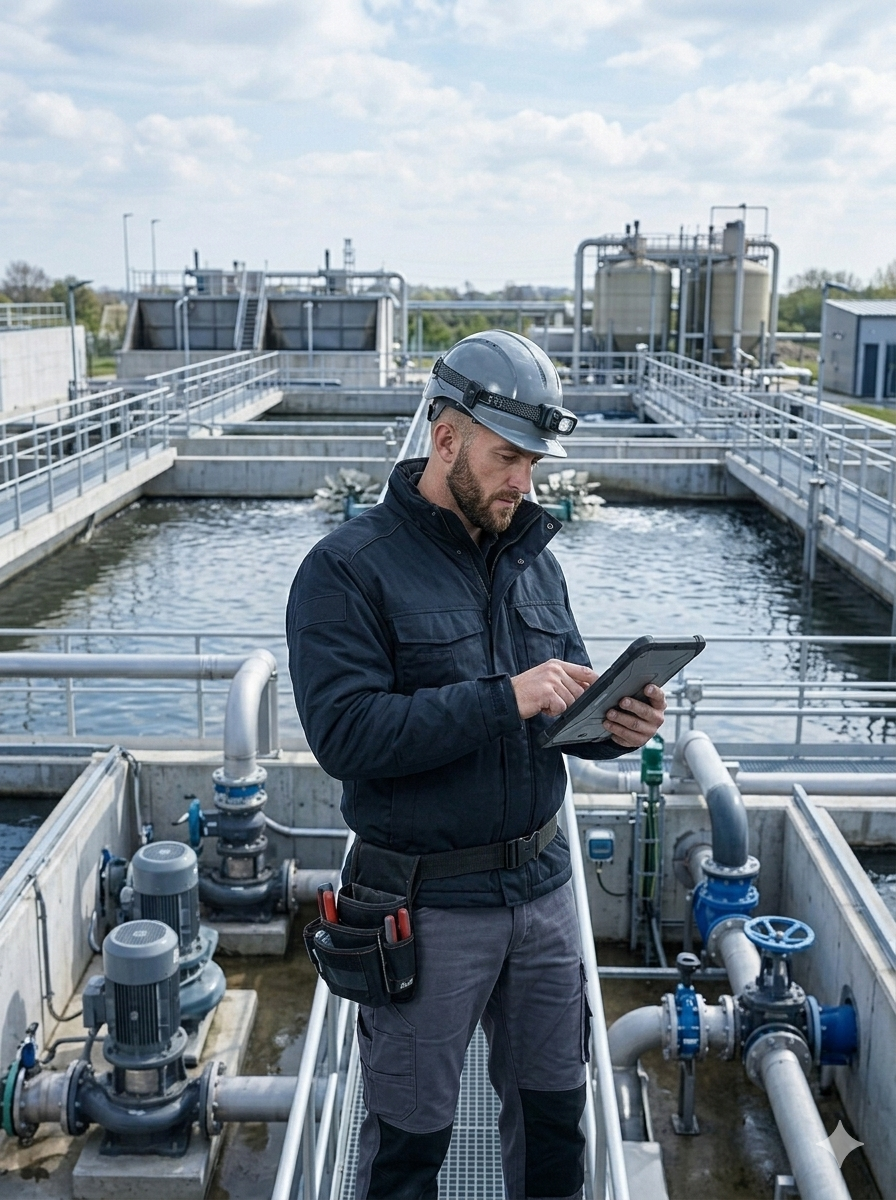
The numbers driving the change
Lone work is not a fringe condition. Roughly 8 million people in the UK — about one in five of the workforce — perform at least part of their job without a coworker nearby. Comparable shares appear across most developed economies, and the figure keeps rising as distributed service models and lean staffing become more standard.
470
Workplace homicides counted by the U.S. Bureau of Labor Statistics in 2024
16.6 per 10,000
Violence-related injuries among registered nurses, against a private-industry average of 4.3 — nearly four times higher per U.S. Bureau of Labor Statistics 2021-2022 data.
~54,750
Lone-worker attacks a year in older British Crime Survey data — close to 150 a day
132%
Rise in physical attacks tracked by one large lone-worker monitoring provider over three years, alongside a 104% rise in weapon-related events
Newer sector data show the older figures lag reality: the British Retail Consortium logs hundreds of violent or abusive incidents against retail staff daily. Home healthcare and social-service workers, many of them alone in patients' homes, remain among the most exposed groups in the economy.

Two realities make the raw counts more urgent. Most incidents never enter official records; workers routinely absorb threats and assaults without filing reports, so every published number is a floor. And the workers most exposed are exactly the ones with no one nearby to step in. When isolation and danger meet, a slow or missed response leaves no margin. Regulators have taken note. That is why the legal ground is shifting.
The regulatory wave: Canada, California, and Europe
Three jurisdictions map the path ahead — and together they cover a large share of the North American and European workforce.
Canada
Already requires action.
Working-alone protection is not a proposal; it is law and has been for years. Federally, Bill C-45 amended the Criminal Code so organizations that fail to protect worker safety can face criminal liability. Provinces layer specific duties on top of that baseline.
- British Columbia — OHS Regulation, Parts 4.20–4.23
- Alberta — OHS Code, Part 28
- Saskatchewan — Section 3-24
- Quebec — Section 322
- New Brunswick — code-of-practice rules
- General-duty obligations elsewhere
Across the provinces the same four demands appear: identify the hazards of working alone, give the worker a reliable way to summon help, run regular documented check-ins, and keep records that prove it. These are auditable obligations, not aspirations.
California
The U.S. tipping point.
Senate Bill 553 (Labor Code section 6401.9), effective July 1, 2024 with no grace period, makes California the first state to require nearly every employer to maintain a written Workplace Violence Prevention Plan. The law covers almost all California employers, with only narrow exceptions, and is enforceable by Cal/OSHA. It demands that employers:
- Identify and correct violence hazards
- Train staff
- Log every violent incident
- Retain detailed records
It sits beside California's earlier, stricter healthcare standard. SB 553 never names lone workers, yet isolated employees rank among the hardest hazards any plan must address. A credible claim that risks to a worker no one can see or hear have been "assessed and resolved" requires a real system for monitoring and summoning help.
Europe & the UK
Wrote the template years earlier.
The EU Framework Directive 89/391/EEC fixed the employer's core duty to assess and manage occupational risk — including lone working — across every member state.
- UK — Health and Safety at Work Act 1974
- UK — Management of Health and Safety at Work Regulations 1999
- France — specific rules for the travailleur isolé
UK employers must assess the risks of solo work, record the findings, install monitoring and emergency procedures, and understand that the legal duty cannot be shifted onto the employee. Working alone remains legal — but only when the risks are documented and actively managed.
California rarely acts alone for long; other states routinely copy its worker-safety mandates. Safety professionals therefore treat SB 553 as an early signal of national direction. At the federal level, OSHA already cites employers for workplace violence under the General Duty Clause even without a dedicated standard.
Taken together, the direction is clear. A European framework hardened into detailed Canadian regulation and is now arriving in U.S. state law. The wave is real, and it is moving toward every employer with people in the field.
Why waiting for a formal requirement is the costly choice
Watching and waiting feels rational — hold off until your state copies SB 553 or OSHA issues a federal rule before spending money. That instinct is understandable and almost always wrong. Acting now beats scrambling later.
Compliance built under deadline pressure is expensive and fragile
California employers discovered this in 2024. SB 553 arrived with no implementation window, forcing organizations to implement training, incident logging, hazard assessment, and monitoring essentially overnight. Those who already ran a lone-worker system adapted in an afternoon. Everyone else paid premiums in consultants, rushed purchases, and management distraction to compress into weeks work that could have unfolded calmly over a year.
Liability already exists, statute or no statute
A worker injured with no system to reach them can trigger OSHA's General Duty Clause, criminal exposure under Bill C-45, or common-law negligence claims. A documented monitoring program is not merely future compliance; it is current protection against the citation, lawsuit, or public fallout that follows a preventable incident.
It functions as a retention and recruitment edge
Workers in high-risk, isolated roles — nurses, guards, technicians — increasingly factor safety into decisions about where to work and whether to stay. Surveys of frontline healthcare staff show a meaningful share have considered leaving over violence and the sense that no one has their back. Giving an employee a device that visibly keeps watch is one of the clearest signals an employer can send that their safety matters.
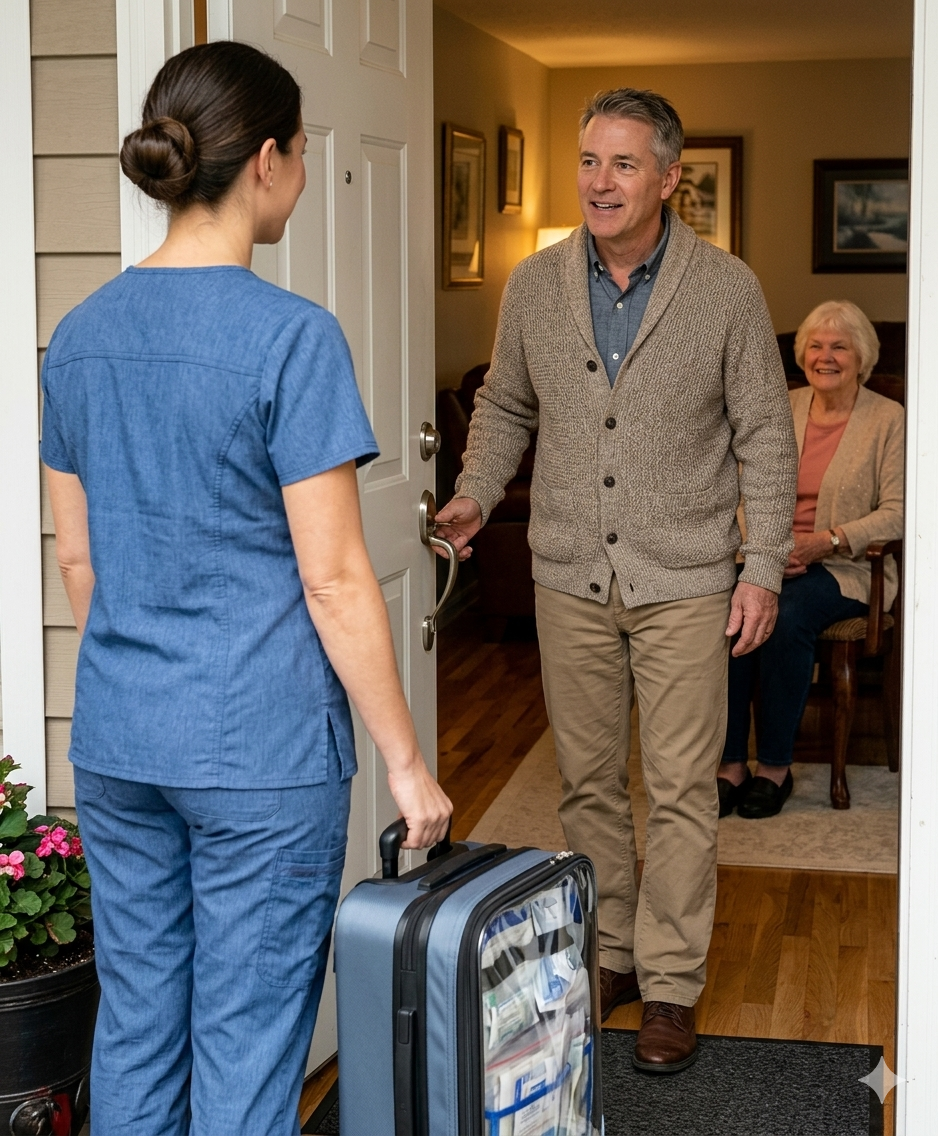
Getting ahead simply costs less than catching up
The math
Equipping a lone worker is trivial next to the price of one serious incident — medical claims, downtime, investigation, penalties, and reputational harm. Proactive employers treat lone-worker protection the way they treat fire extinguishers: standard equipment, budgeted in advance, long before anyone asks to inspect it.
What "compliant" looks like in practice
Strip the various rules to their common core and every jurisdiction asks for the same four elements. A modern lone-worker safety device is engineered to deliver exactly those four pieces.
Know the risk
Identify and document the hazards of working alone, role by role and site by site.
Provide reliable two-way communication
Give the worker a dependable way to summon help — and a way for help to reach back.
Check in on a schedule
Regular confirmations, with an automatic alert the moment one is missed.
Document everything
Keep the audit trail that proves the first three are actually happening.
MicroCELL® — for workers alone or beyond easy reach
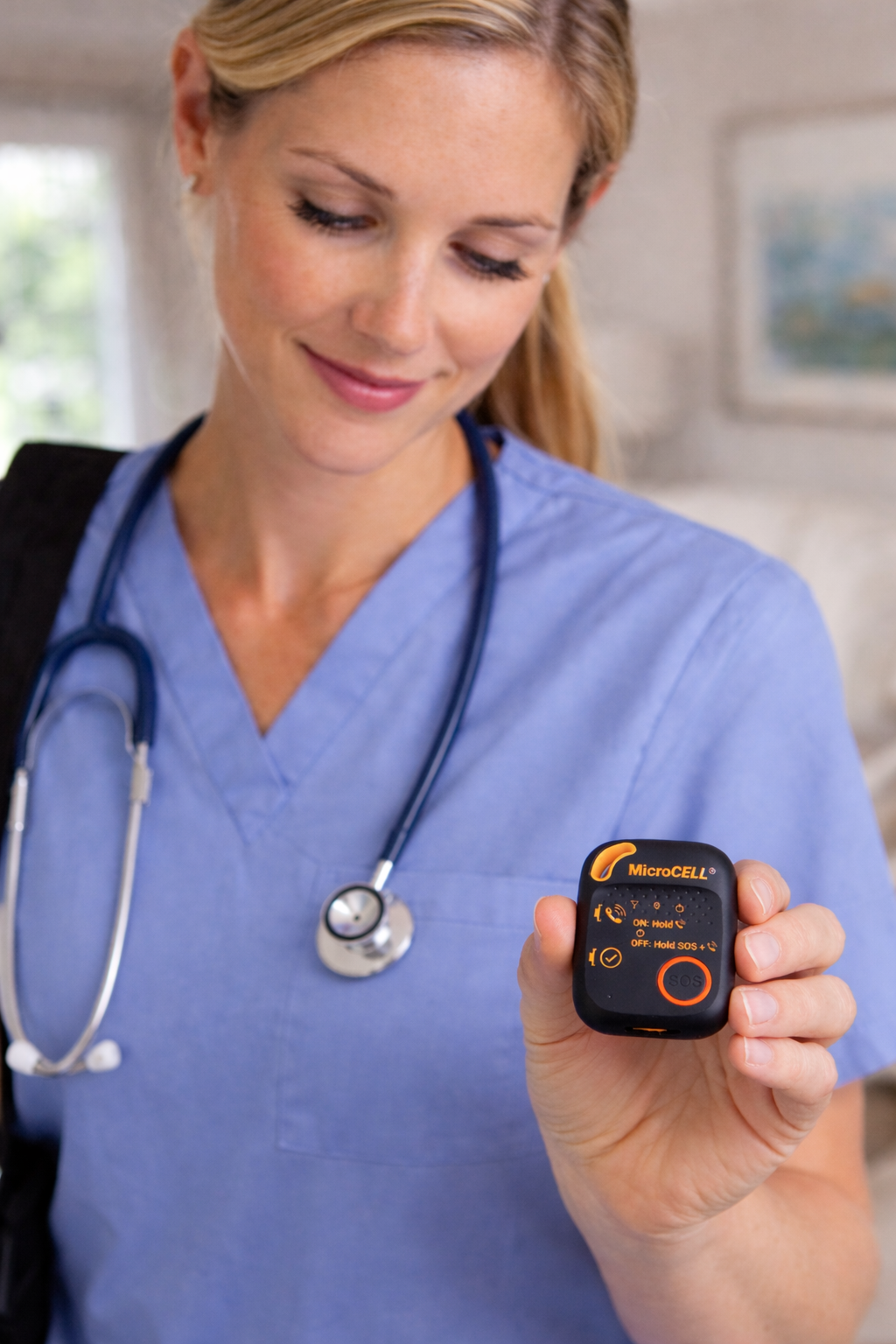
Grace Industries' MicroCELL® is built for the worker who operates alone or beyond easy reach. It is a rugged, palm-sized unit (IP67-rated, 1.9 ounces) carrying a dedicated SOS button, configurable fall-detection and no-motion alarms, and scheduled check-ins. A missed confirmation, a fall, or a motionless worker automatically raises an alert.
Through the Grace Cloud Connect® web portal and phone app, supervisors see locations in real time, alerts escalate to multiple recipients under customizable protocols, and every check-in and incident is logged to the cloud — the audit trail regulators increasingly expect. Along with FCC, IC, and IP67 ratings, MicroCELL® also carries CE certification, a detail that matters for organizations aligning with European and international standards.
WorkForce® — for crews and paired workers
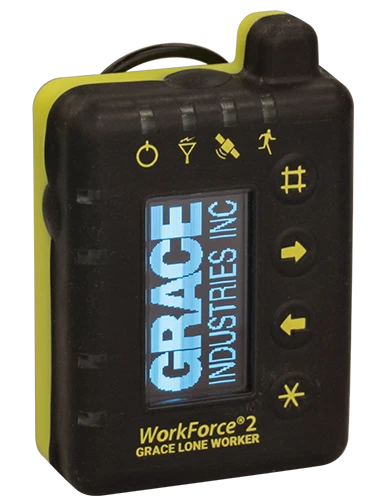
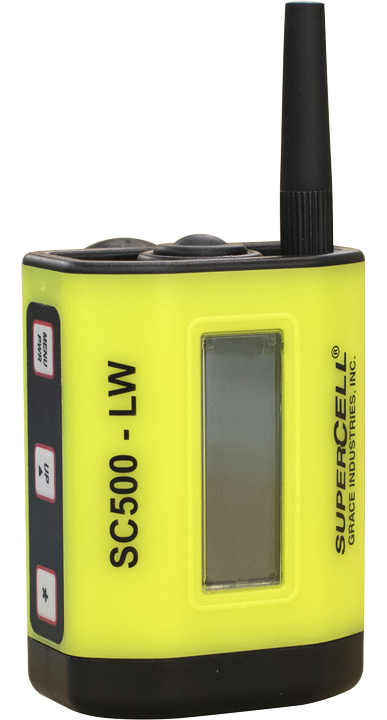
For crews and paired workers, the Grace WorkForce® fall-detection pendants (WF1 worker and WF2 supervisor models) add automatic man-down detection and team-wide monitoring for high-risk sites and workers at height. The "Buddy Package" lets two workers watch each other; the supervisor model tracks an entire crew in real time. Both run on the same Grace Connected Safety® platform, keeping monitoring and record-keeping consistent whether people work solo or in teams.
The value is not any single feature. A purpose-built system converts the four things the law is going to demand — assess, communicate, check in, document — from a last-minute scramble into background operations that already run quietly.
Frequently asked questions
What features should a lone-worker safety device have to help with compliance?
Look for a dedicated SOS/emergency alert, automatic fall and no-motion detection, scheduled check-ins, real-time GPS location, escalation to multiple contacts, and cloud-based logging that creates an audit trail. Grace's MicroCELL® and WorkForce® devices deliver these through the Grace Connected Safety® platform.
Do these devices work for teams as well as solo workers?
Yes. The MicroCELL® is built for individuals working alone remotely where their work location varies — a utility worker or home healthcare nurse, for example — while the WorkForce WF1/WF2 pendants are ideal for monitoring individuals, crews, and paired workers in a fixed location such as a warehouse or manufacturing facility. All of it runs on the same monitoring and record-keeping platform.
The bottom line
The legal landscape for lone workers is moving from "you probably should" to "you are required to." Canada, California, and Europe are showing every other jurisdiction the path. Employers who finish ahead will not be the ones who waited for a statute with their name on it. They will be the ones who read the direction of travel, protected their people early, and had the documentation ready before anyone asked.
The wave is coming. The best time to meet it is before it arrives.
This article is provided for general information and is not legal advice; employers should consult qualified counsel about their specific obligations. To learn more about the MicroCELL® and WorkForce® safety devices and the Grace Connected Safety® platform, visit graceindustries.com or call 1-724-962-9231, or email sales@graceindustries.com.
Next step
Get ahead of the rules before they arrive
Tell us where your people work alone and which jurisdictions you operate in. We'll walk through what a MicroCELL® or WorkForce® deployment — and the documentation that comes with it — would look like for you. No obligation.