
Lone worker safety for healthcare & social assistance
Grace Industries helps healthcare providers and social assistance organizations protect home healthcare staff, behavioral health teams, social workers, and mobile clinicians with fast emergency alerting, automated safety monitoring, and reliable lone worker protection designed for mobile care environments and community-based settings where workers may operate alone or in unpredictable environments recognized by OSHA and NIOSH.
One mission. Different care environments.
Healthcare and social assistance teams do not all face the same risks. MicroCell® helps support worker safety across mobile care, behavioral health, community outreach, and patient-facing environments where staff may be alone, isolated, or unable to call for help.
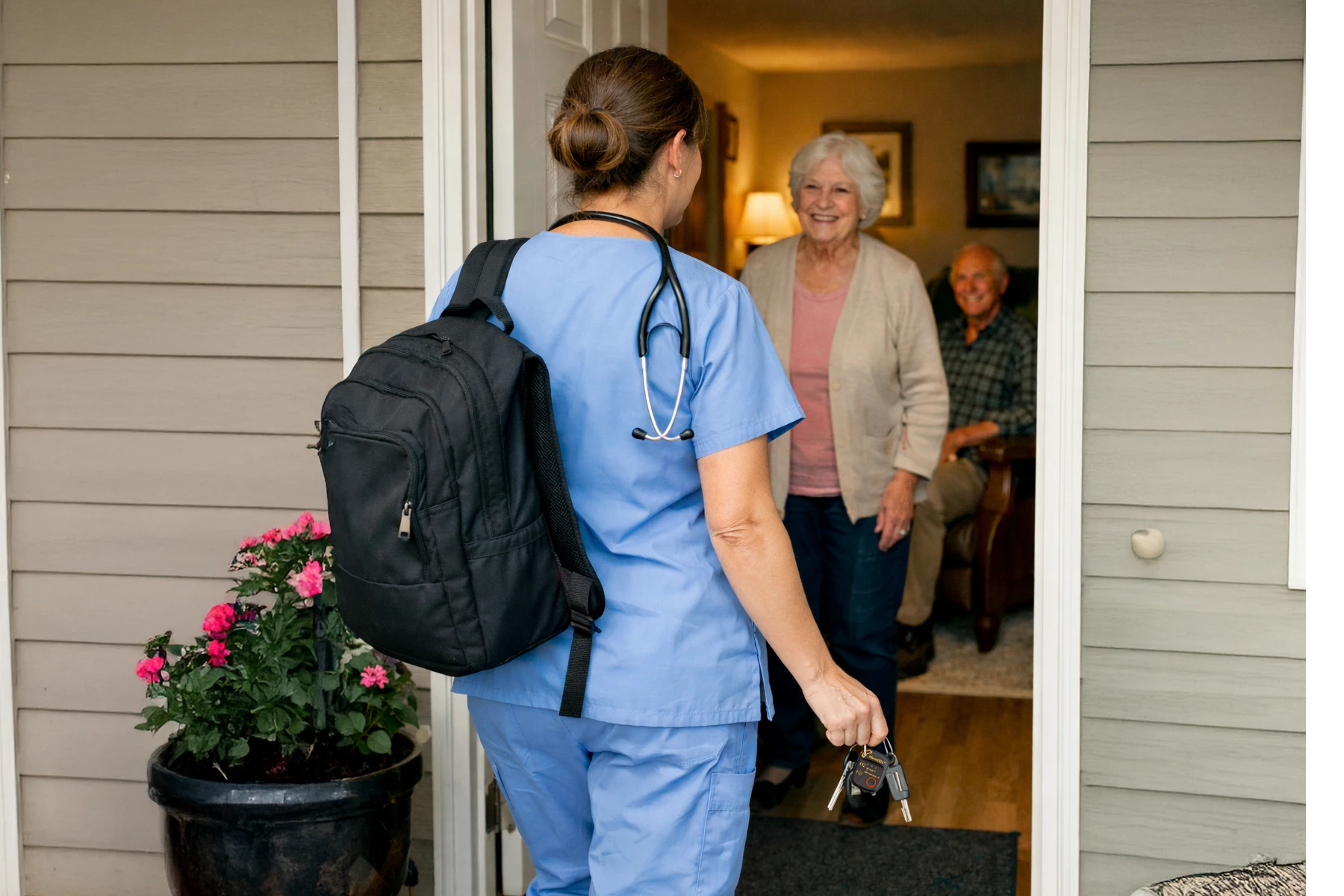
Home Healthcare
Visiting nurses and home health aides often enter patient homes alone with limited visibility between visits. NIOSH identifies home healthcare environments as presenting unique worker safety challenges including workplace violence, environmental hazards, and delayed emergency response situations.
- Emergency SOS alerts during home visits
- Automated safety check-ins between appointments
- Location awareness during alerts and SOS events

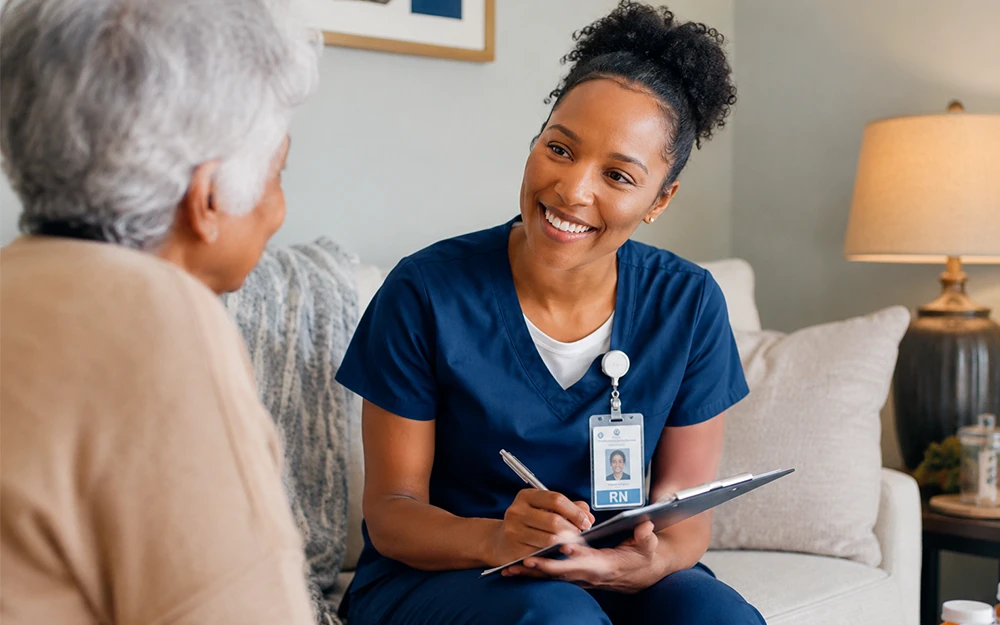
Behavioral Health
Behavioral health and crisis response teams can face unpredictable situations in facilities, homes, or community settings. OSHA recognizes workplace violence as a significant concern within healthcare and social assistance environments.
- Dedicated SOS button for urgent assistance
- Audible, visual, and vibration alerts
- Fall and no-motion detection options
Social Assistance & Outreach
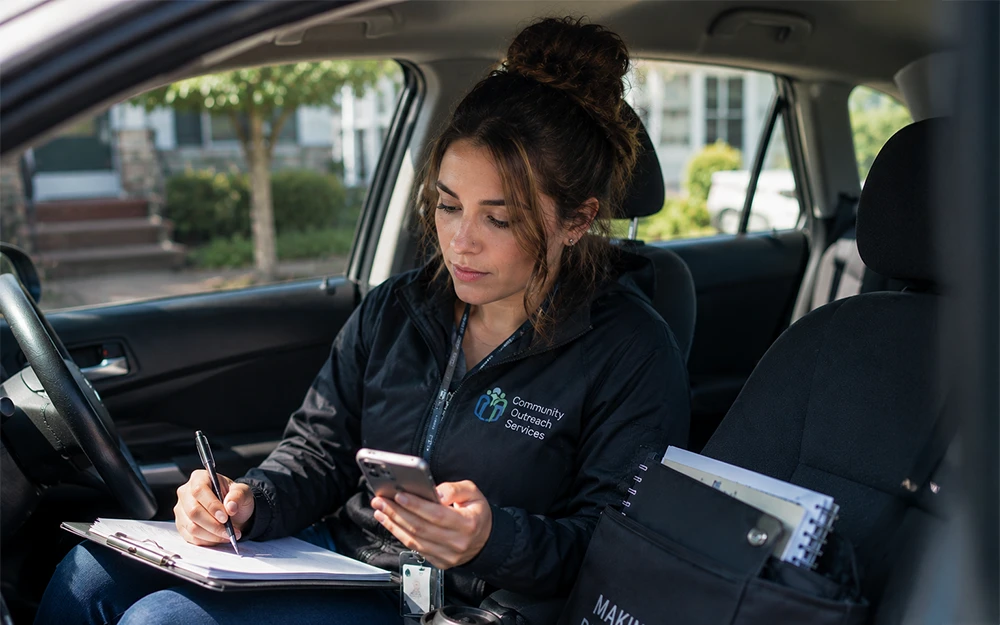
Social workers, case managers, and outreach teams often work away from offices and supervisors. According to the National Association of Social Workers, health and social service workers experience significantly higher rates of workplace violence injuries compared to many other professions.
- Worker status monitoring through Grace Cloud Connect®
- Messaging and voice communication options
- Cloud-based incident and activity history
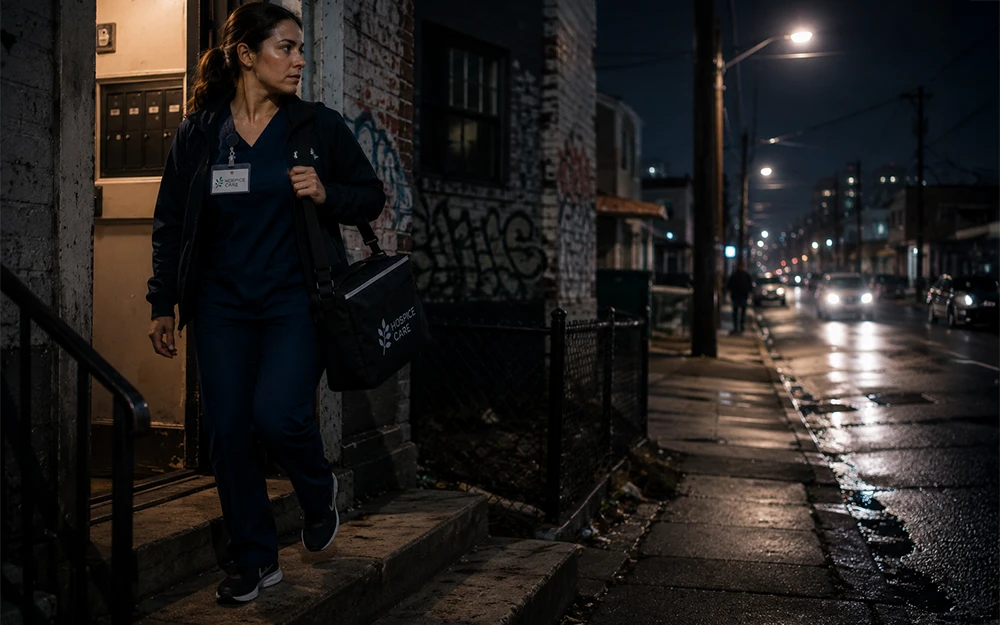
Hospice & Mobile Care Teams
Hospice staff and mobile clinicians may work after hours, travel between patients, or provide care in emotionally sensitive environments. MicroCell® helps keep staff connected while they focus on care.
- Compact, lightweight wearable design
- Check-ins for patient visits and shift workflows
- Supervisor alerts through web and mobile access
The risks MicroCell® is designed to help address.
A snapshot of common safety challenges facing healthcare and social assistance workers in the field, including workplace violence, delayed emergency response, and isolated mobile work environments documented by OSHA, NIOSH, and the Bureau of Labor Statistics.
Unpredictable Environments
Field safetyWorking Alone
Lone worker exposureDelayed Emergency Response
Emergency alertingOverreliance on Personal Phones
Device limitationsFalls & Motionless Events
Automatic alertsLimited Supervisor Visibility
Accountability
MicroCell® helps protect mobile healthcare and social assistance workers.
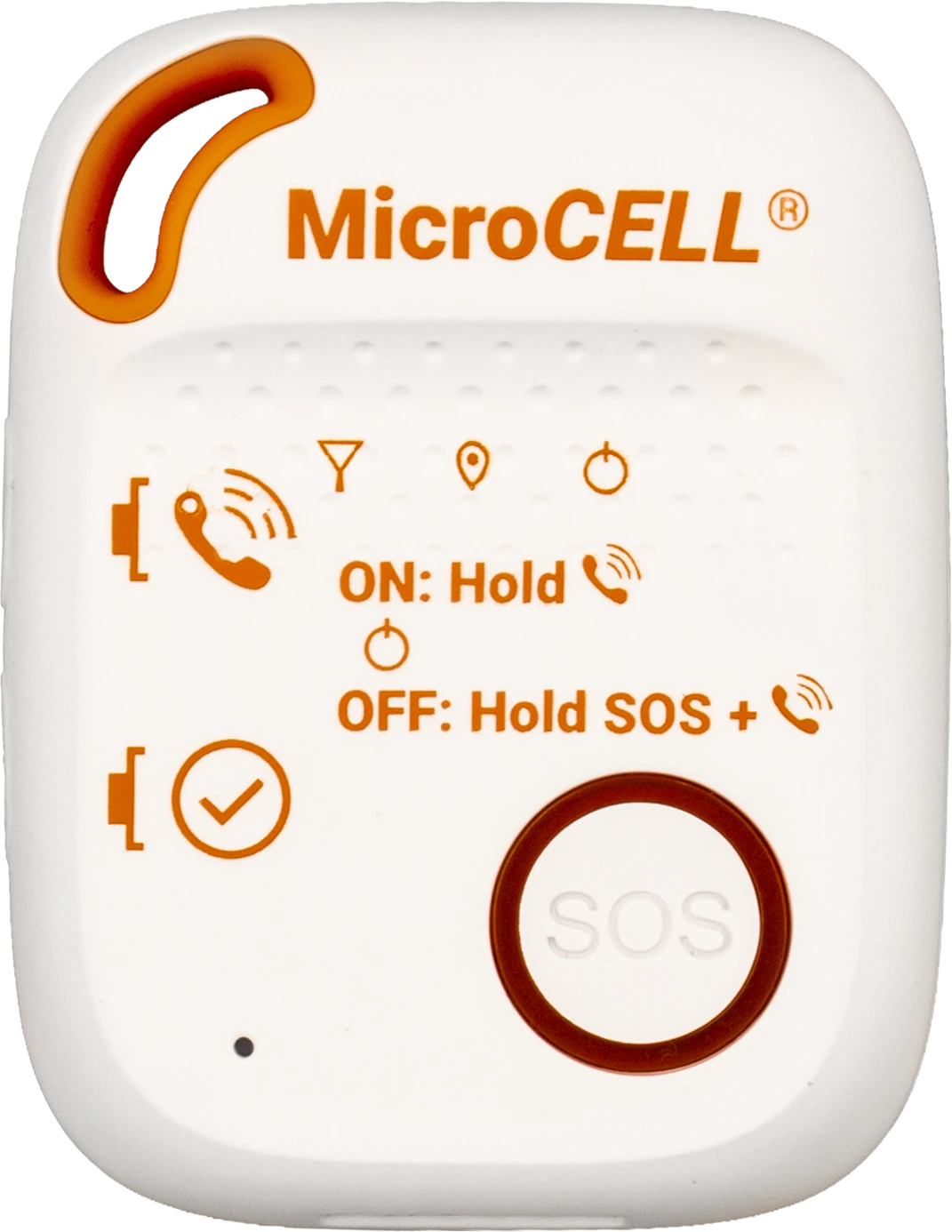
MicroCell® is a compact personal safety communication device built for lone worker support. It gives caregivers, clinicians, and field staff a dedicated way to check in, send emergency SOS alerts, communicate with supervisors, and trigger configurable fall or no-motion alerts without relying on a personal phone.
Because MicroCell® connects through cellular and Wi-Fi, healthcare organizations can support mobile workers without installing complex facility infrastructure, repeaters, or radios. It is a practical safety solution for teams that move between homes, clinics, facilities, and community care environments.
- Dedicated emergency SOS button
- Custom safety check-in schedules
- Fall and no-motion detection
- Two-way voice communication
- GPS updates during alerts
- Grace Cloud Connect® access
Built for healthcare teams working beyond the walls of a facility.
Healthcare and social assistance organizations need safety solutions that are simple to deploy, easy for staff to use, and capable of supporting workers across mobile and community-based care environments.
Dedicated Emergency SOS
Workers can activate emergency alerts instantly using a dedicated SOS button designed specifically for lone worker emergencies and workplace violence situations.
Automated Worker Check-Ins
Configurable check-in schedules help organizations maintain accountability for caregivers, clinicians, outreach staff, and mobile healthcare teams throughout the workday.
Real-Time Supervisor Visibility
Grace Cloud Connect® provides web and mobile access to worker status, alerts, activity history, and incident notifications for improved response coordination.
No Complex Infrastructure
MicroCell® uses cellular and Wi-Fi connectivity, helping organizations support worker safety without deploying large facility-based infrastructure systems.
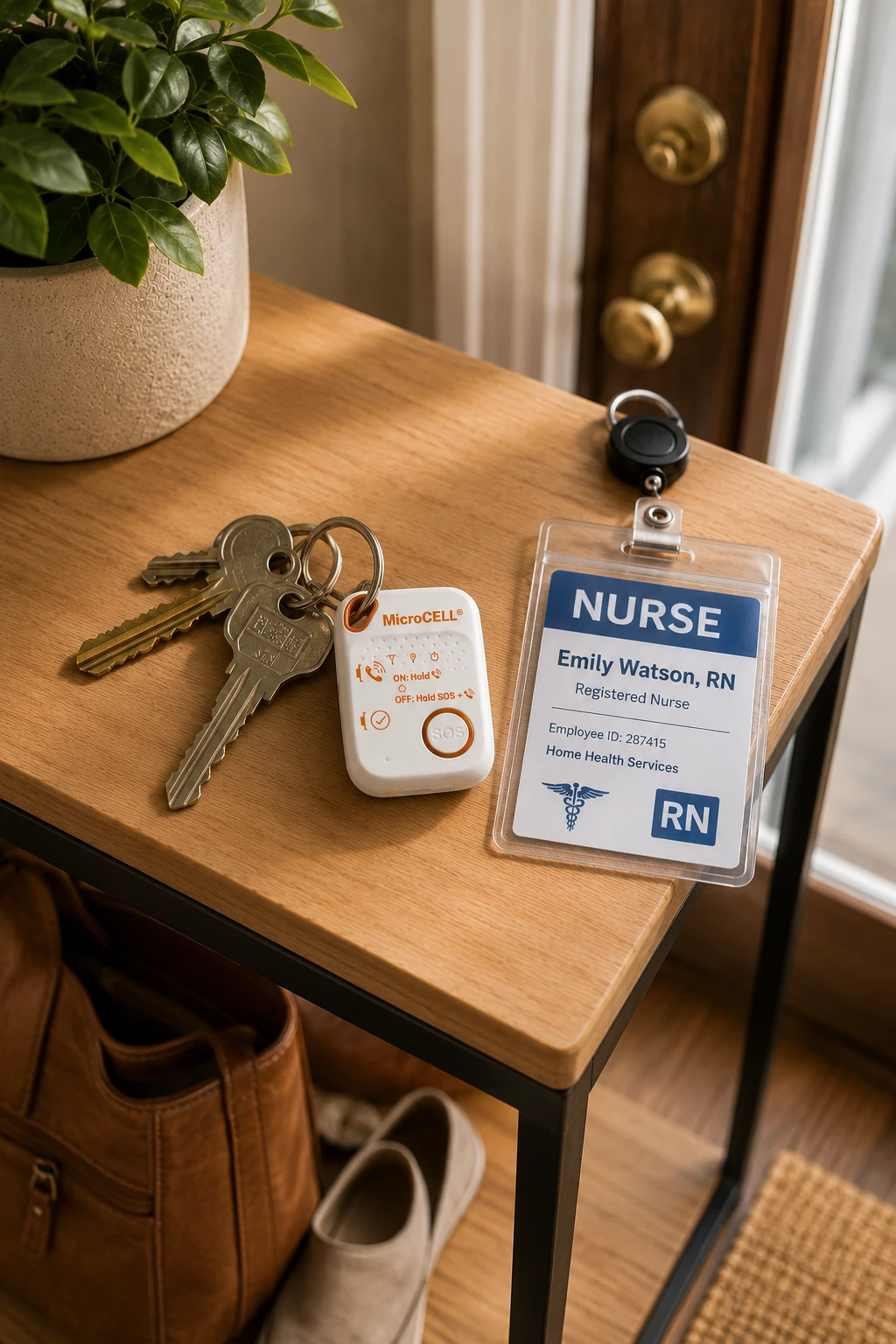
A dedicated safety device when personal phones are not enough.
Healthcare and social assistance workers often move between patient homes, community environments, facilities, and remote job sites. In these situations, a personal phone may not provide the speed, visibility, or reliability needed during an emergency.
MicroCell® provides a purpose-built safety layer with emergency SOS, automated check-ins, configurable fall and no-motion alerts, and Grace Cloud Connect® monitoring so supervisors can stay connected to staff in the field.
Quick answers
Common questions from healthcare providers, safety managers, and social assistance organizations.
Is MicroCell® suitable for home healthcare workers?
Does MicroCell® require workers to use their personal phones?
Can supervisors monitor worker status in real time?
Does MicroCell® support automatic alerts?
Can MicroCell® support voice communication?
How does MicroCell® fit into an existing safety program?
Ready to help protect caregivers working beyond your facility walls?
Whether your team supports home healthcare, hospice, behavioral health, community outreach, or mobile care, Grace can help you match MicroCell® to your lone worker safety program.