
Critical safety signaling for tanks, vaults, and high-risk enclosed work.
Grace Industries protects entrants and attendants with man-down alarms, two-way emergency communication, and rugged personal monitoring, engineered for the limited access, difficult signal propagation, and time-critical rescue demands of confined space work.
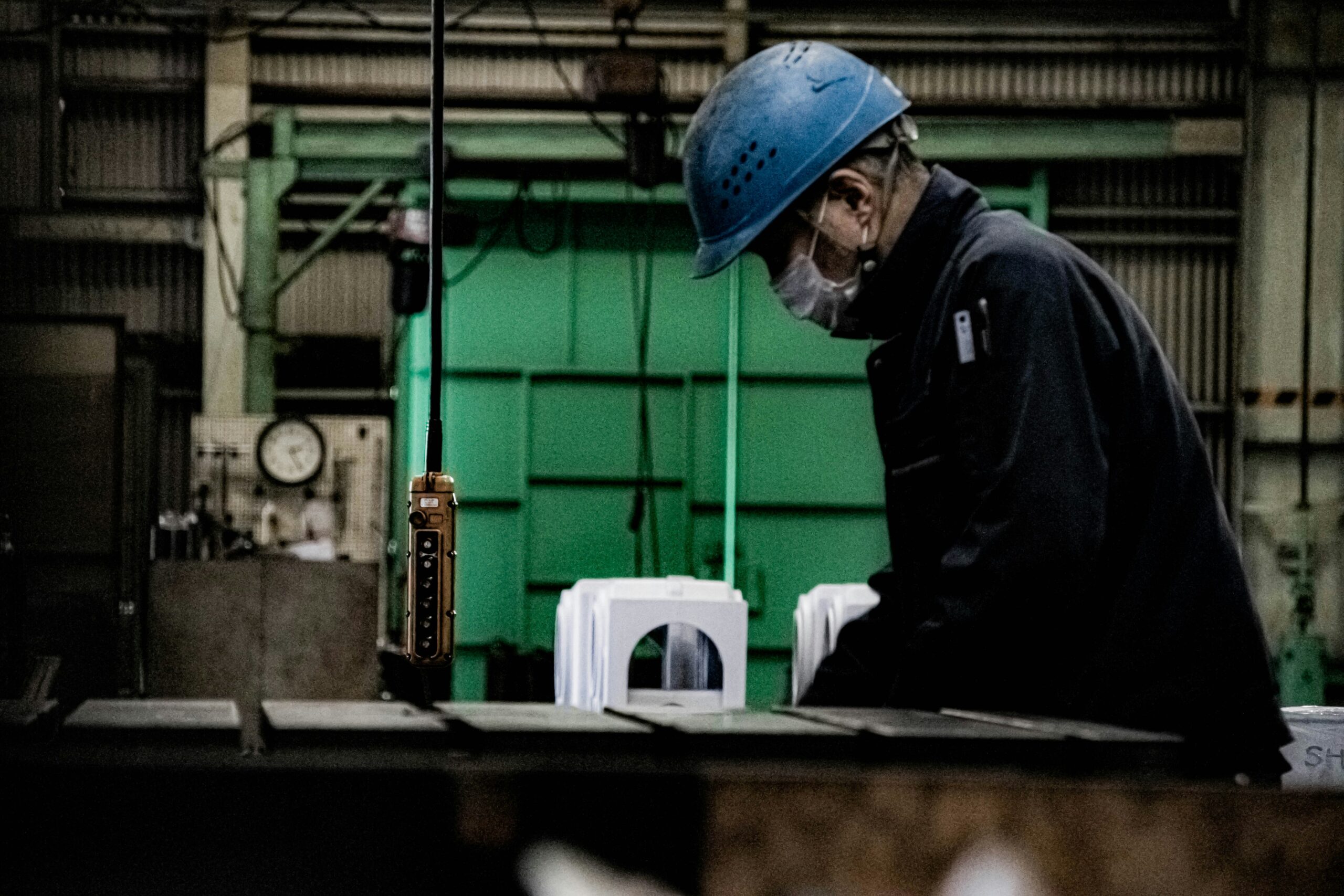
One classification. Four very different work zones.
Confined space safety is highly context-dependent. The right combination of devices depends on whether your entrants are working in storage tanks, subsurface utilities, process vessels, or below-grade infrastructure.

Storage Tanks & Vessels

Manholes & Vaults

Tunnels & Subsurface

Process Vessels & Silos
The risks Grace devices are designed to address.
A snapshot of the most common hazards in permit-required confined space operations.
Oxygen Deficiency
AtmosphericToxic Atmospheres
AtmosphericEngulfment
PhysicalCommunication Loss
OperationalLone Entrant Incidents
OperationalRescue Coordination Delay
OperationalTwo ways Grace protects your entrants.
Pick the path that matches your entry program, or combine them for full coverage from the entrant to the attendant to the rescue team.
Personal Safety & Distress Alerting
Wearable devices that detect motionless entrants, accept one-touch panic activations, and alert the attendant or supervisor automatically.
- Automatic man-down and no-motion detection
- One-touch panic button for immediate signaling
- Designed for tanks, vaults, and below-grade work
- Aligns with 29 CFR 1910.146 entrant requirements
Monitoring & Coverage Extension
Attendant monitoring and signal coverage tools that maintain communication through concrete, steel, and subsurface infrastructure.
- Continuous attendant-to-entrant alerting
- Coverage extension into vaults and tunnels
- Centralized supervisor visibility and escalation
- Supports permit-required entry programs
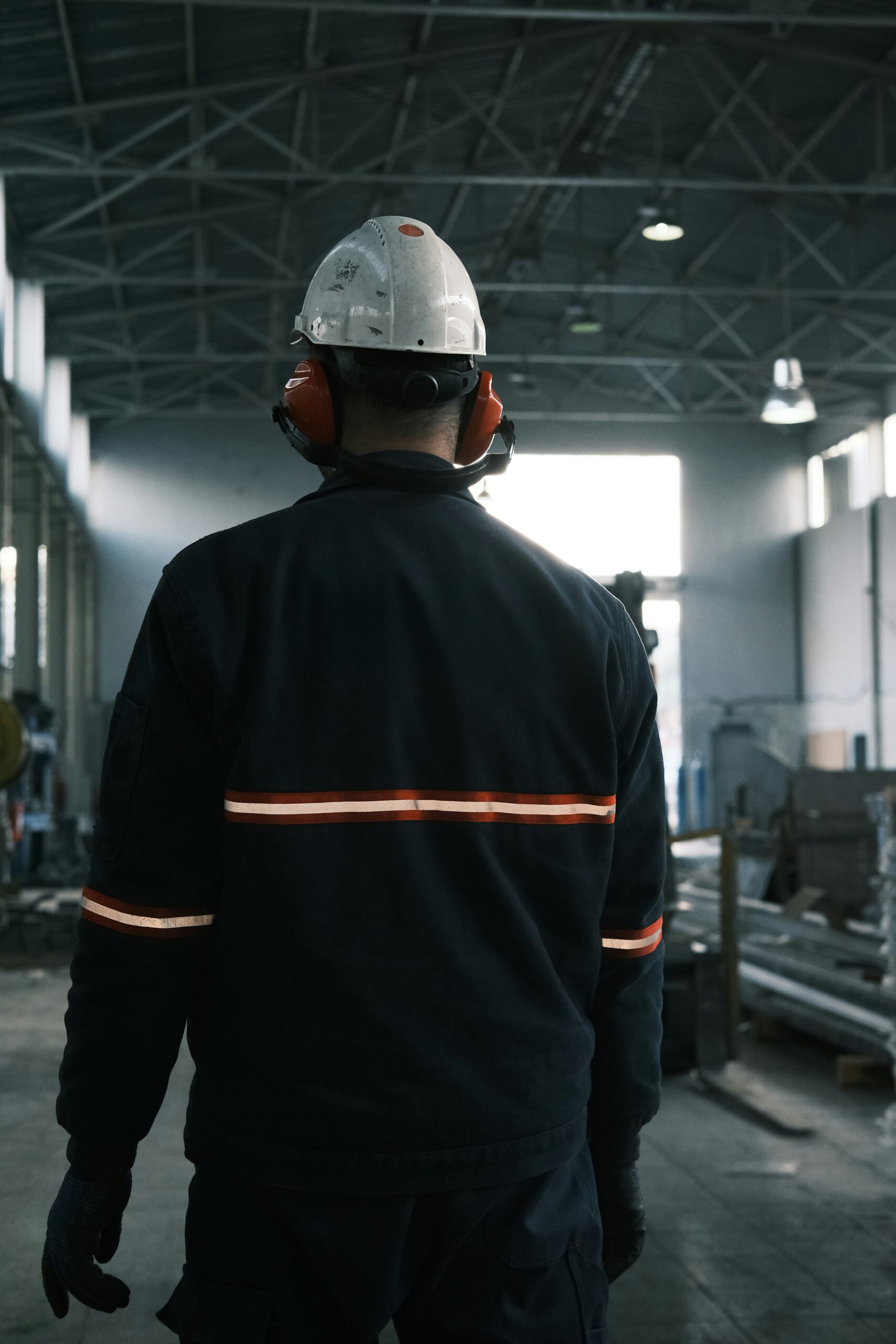
Purpose-built safety for enclosed, isolated work.
Confined space work concentrates risk: limited access points, difficult signal propagation, time-critical rescue requirements, and atmospheres that can change in seconds. Generic safety equipment often fails at exactly the moment it is needed most, leaving entrants and attendants without the alerting they depend on.
Grace Industries devices are engineered around these realities. From rugged enclosures that handle moisture, dust, and rough handling to signaling protocols that work through concrete vaults and steel tanks, every product is designed to perform where standard safety gear cannot. The result is a confined space safety program that protects your entrants, supports your permit requirements, and gives attendants the visibility and escalation pathways they need.
Quick answers
Common questions from confined space program managers and entry supervisors.
What is required for permit-required confined space entry?
How do these devices help during a confined space emergency?
Will signaling work through concrete, steel, and below-grade structures?
Are Grace devices intrinsically safe for hazardous atmospheres?
Can alerts route to a central monitoring center?
How do these devices fit with existing entry permit programs?
Get a recommendation tailored to your entry program.
Tell us about your entry types, atmospheres, and rescue procedures. A Grace specialist will scope the right combination of entrant devices, attendant tools, and coverage extension, usually within one business day.