
Regulation & Compliance
New York’s Silent Response Button Law Starts January 1, 2027. What Retail Employers Need to Know
New York requires silent response buttons for employers with 500+ retail employees starting Jan 1, 2027. See what the law says and what to ask vendors.
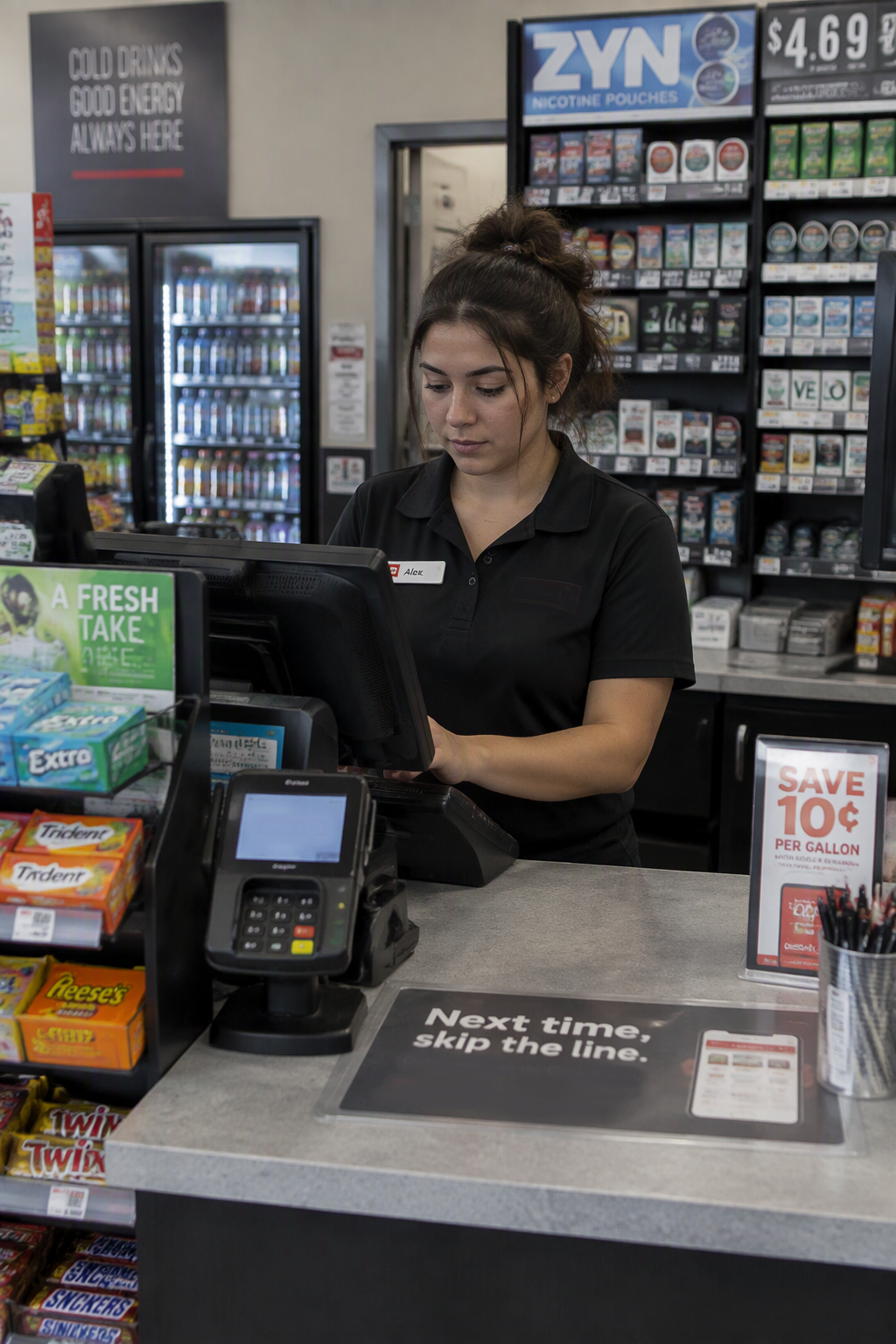
The short answer
- Who is covered: Employers with 500 or more retail employees statewide in New York.
- What is required: A silent response button for every retail employee to request immediate help from a security officer, manager, or supervisor. Employers in this group must also train employees on how to use it.
- When: January 1, 2027.
The button is often called a panic button, but the law’s term is “silent response button.” Two rules come with it. Phone-based buttons may only be installed on employer-provided equipment. And wearable and phone-based buttons can’t be used to track an employee’s location except when the button is triggered. Those two details drive most buying decisions, so most of this post covers them.
What the law requires
The requirement is in New York Labor Law § 27-e, subdivision 5. It says every employer of 500 or more retail employees statewide must provide every retail employee with a silent response button to request immediate assistance from a security officer, manager or supervisor while the employee is working, in case of an emergency (signed Chapter 72 of 2025). The New York State Department of Labor also requires those employers to train employees on using the button (NYSDOL).
A 2025 amendment replaced the earlier panic-button language, which had the button contact the local 911 center, with this supervisor-facing button. The same amendment changed the 500-employee count from nationwide to statewide (Chapter 72 of 2025). Count every retail employee across all your New York locations, not store by store.
The January 1, 2027 date applies to the button. The law’s separate written-policy and training duties already apply to employers with 10 or more retail employees (NYSDOL FAQ).
What counts as a silent response button
The statute allows three forms: a device installed in an easily accessible place in the workplace, a wearable button, or a mobile phone-based button.
A fixed button at the register does nothing for someone in the stockroom or a walk-in cooler. A wearable goes where the employee goes. A phone-based button depends on a phone, which brings us to the next rule.
Can employees use their own phones?
The statute says mobile phone-based silent response buttons may only be installed on employer-provided equipment. NYSDOL’s FAQ puts it more broadly: “Mobile phone or wearable devices may only be installed on employer-provided equipment” (NYSDOL FAQ).
In plain terms, you can’t meet the rule by asking employees to put a safety app on their own phones. If you choose an app-based button, it has to run on a phone the employer provides. That means buying, managing, and supporting a phone for every covered employee.
Some wearable buttons have no cellular connection of their own and only work when paired over Bluetooth to a smartphone app. The statute doesn’t name that hybrid. But the button can’t send an alert without the phone, so plan on company-issued phones for those systems and ask counsel to confirm how the rule applies to yours.
A wearable with its own cellular connection and GPS doesn’t depend on anyone’s phone, personal or company-issued. That is how Grace Industries built MicroCELL.
Where MicroCELL and Grace Cloud Connect fit

MicroCELL is a wearable pendant with its own 4G LTE cellular and Wi-Fi connectivity and built-in GPS (Grace MicroCELL). It has a manual SOS button, automatic fall detection, and no-motion detection with a pre-alarm. Its rechargeable battery lasts up to 80 hours in standby mode. The employee doesn’t need to carry a phone or install an app for it to work.
Grace Cloud Connect is the platform that connects workers and supervisors in one real-time system (Grace Cloud Connect). You enter the emergency contacts for each device, typically a supervisor, manager, your security team, or coworkers. Alerts reach them by email, text, app push notification or a text-to-voice call, in any combination you configure. That maps to what the law asks for: a way to reach a security officer, manager, or supervisor.
No monitoring plan is required, your management team and/or security staff receive the alerts directly. If you want a third-party call center behind the program, Grace can discuss arranging one.
Finding a worker indoors
GPS is built for open sky. Inside a big-box store, it can drift or miss a stockroom or a second floor entirely.
MicroCELL Locator Beacons address this (Grace Locator Beacon). Each beacon continuously transmits a unique location ID code. When a MicroCELL detects a beacon, it includes that ID in its emergency alarm, so supervisors know the approximate location of the worker. About the diameter of a silver dollar, these battery-powered beacons deliver up to four years of maintenance-free operation with no wiring, Wi-Fi, or cellular setup required.
Location privacy: alert-only
The statute says wearable and mobile phone-based silent response buttons “shall not be used to track employee locations except when the silent response button is triggered” (signed Chapter 72 of 2025).
In practice, that means no live map of your people during a normal shift. Ask any vendor when its device reports location, and whether you can control that setting. Get the answers in writing.
Grace Cloud Connect lets employers set location sharing to alert-only, which is how New York employers would configure it to meet § 27-e.
What it costs
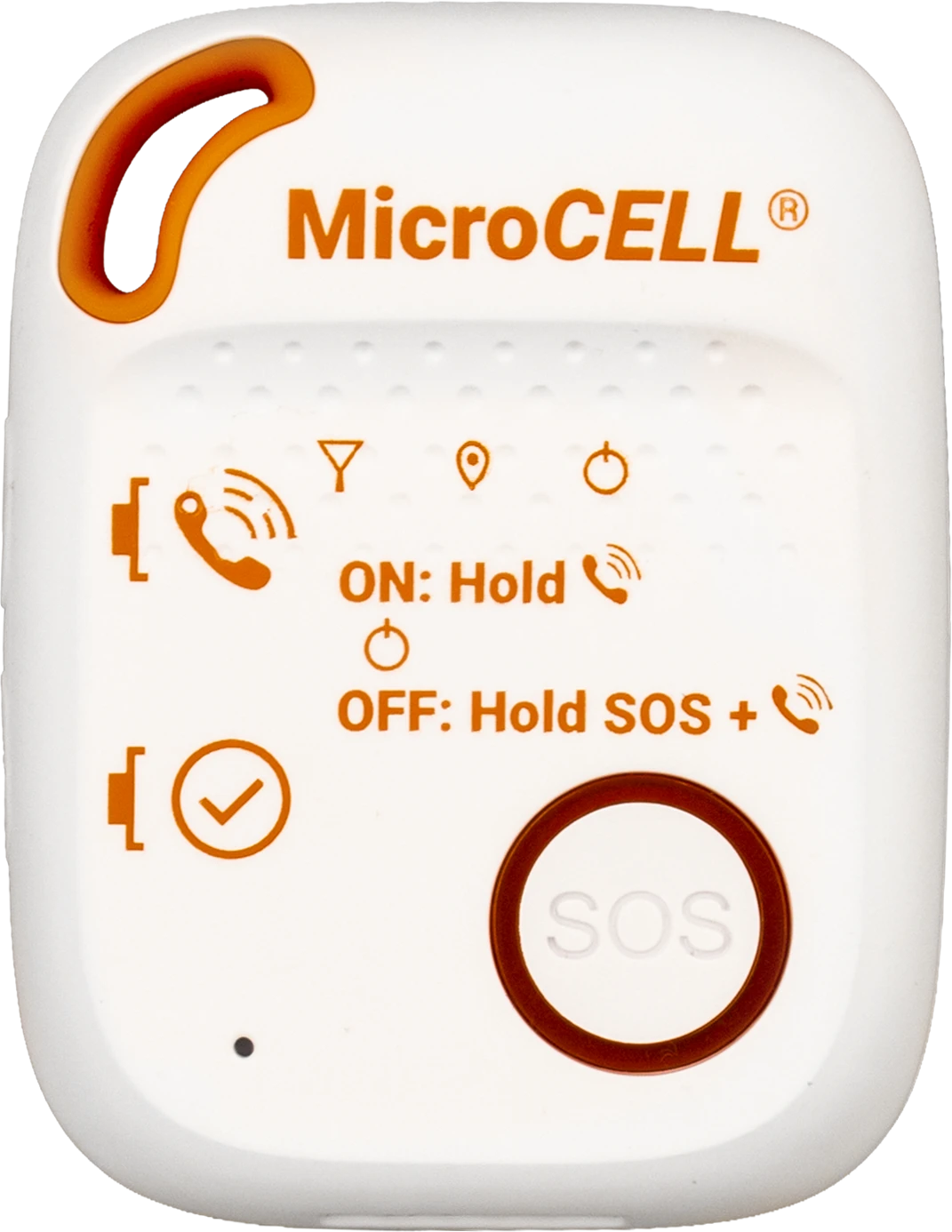
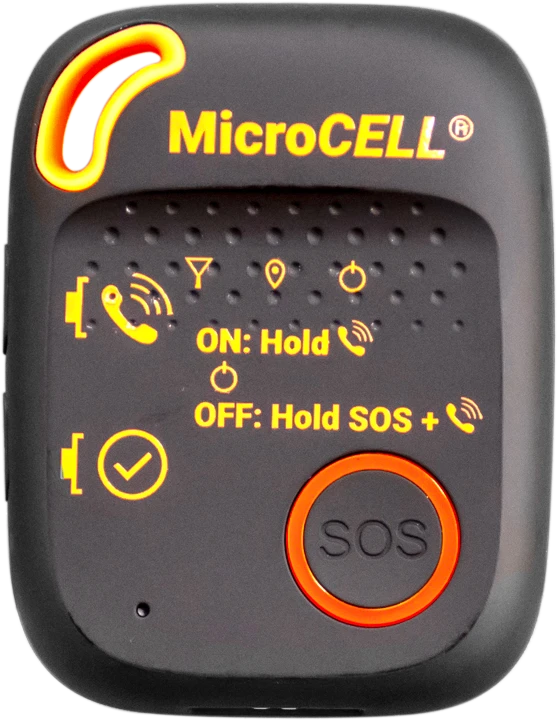
MicroCELL is a one-time $295 device purchase, plus an annual subscription of $198 for data or $348 for voice. First year promotional pricing is $148 for data and $261 for voice. The data plan connects the device to Grace Cloud Connect web and phone apps; the voice plan adds two-way voice calling. In the first year, that is $443 with data or $556 with voice per device. After that, it is the annual subscription alone.
FAQ
Does my company need a silent response button?
If you employ 500 or more retail employees statewide in New York, yes, starting January 1, 2027. Employers with 10 or more retail employees have separate written-policy and training duties that already apply.
Can employees use their own phones?
Not for a phone-based button. The law says it may only be installed on employer-provided equipment, and NYSDOL’s FAQ says the same of mobile phone or wearable devices. An app that needs a phone has to run on a company-issued one.
Can I track where my employees are during a shift?
Not with a wearable or phone-based silent response button. The statute allows location use only when the button is triggered.
Does the law require a monitoring center?
No. The signed text requires a button that reaches a security officer, manager or supervisor, and we found no monitoring-center requirement in the statute or NYSDOL’s guidance.
This article is general information, not legal advice. It was drafted with the assistance of AI which can make mistakes. You should consult with a lawyer or the enforcing agency before making compliance decisions.
To learn more, visit us at graceindustries.com or contact us at 724-962-9231 or at sales@graceindustries.com.
Next step
Getting your New York stores ready for January 1, 2027?
We can help you plan silent response coverage for every retail employee — no obligation.