
Firefighter Safety
Firefighter Accountability, Why RF Telemetry PASS Beats all others
A standalone PASS protects the firefighter wearing it. A telemetry PASS tells the incident commander. Here's what the LODD research says about communications and accountability failures — and how In-Command®, TPASS® 5 and SuperPASS® 5X close the gap.
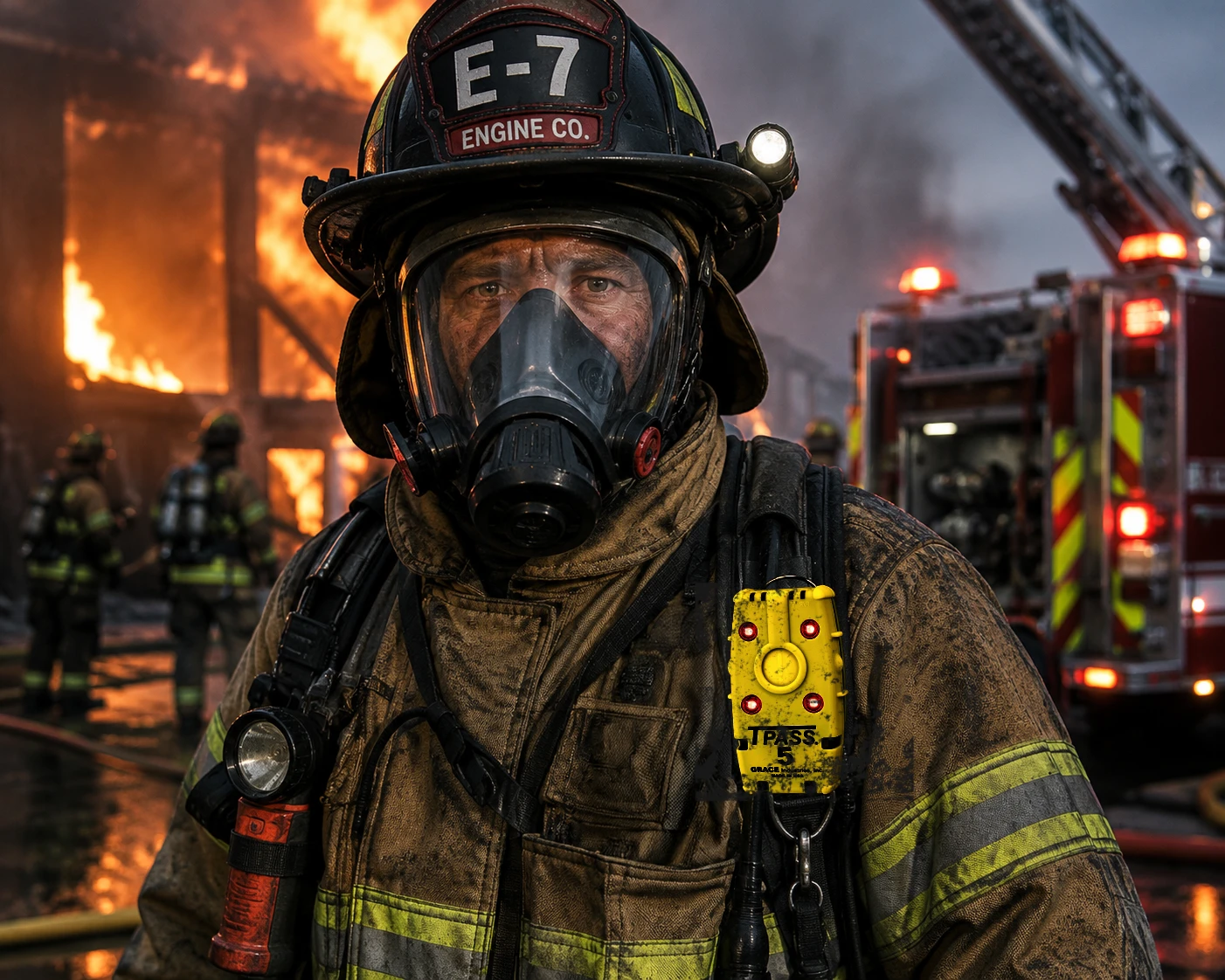
A modern standalone PASS is designed to do one job well: when a firefighter stops moving or hits the emergency-distress button, it produces a loud 98+ dBA audible alarm meant to be heard through the background noise of a working fire with hope that fellow responders hear it as well.
That audible alarm can only reach people who can hear it. The Incident Commander typically cannot hear a PASS in alarm and is often occupied with other important tasks such as staging and planning, resource management, and other prioritizing activities. Fellow crew members may be separated in smokey areas and often cannot hear it either.
That gap — Command may not know who is in trouble, and the voice radio is the worst place to find out. This is what a telemetry PASS and Incident Command monitor are built to solve.
What line-of-duty deaths (LODD) research keeps finding
NIOSH’s Firefighter Fatality Investigations and Prevention Programs have investigated hundreds of line-of-duty deaths. Communications and Incident Command appear often among recommendation categories, with language such as: establish fireground communication that coordinates the Incident Commander and firefighters and transmit a tone or alert that all firefighters should recognize when conditions become unsafe.
A 2024 Homeland Security Affairs review of 217 NIOSH fatal fire reports (2010–2018) found accountability failures were indicated in 41 cases — about one in five.
MAYDAYs often get missed on the voice radio
Chief Don Abbott’s Project MAYDAY, across 6,438 analyzed MAYDAYs:
- 37% of MAYDAY victims did not transmit a MAYDAY when they should have.
- 36% of MAYDAYs transmitted were missed on the first call.
- Average time from MAYDAY transmission to acknowledgment: about 79 seconds.
- Voice Radio emergency-activation button used in only 32% of MAYDAYs; 74% of victims did not fully understand how their radio E-A button worked.
- 61% of departments change channels for MAYDAY.
- 53% of agencies followed their own communications SOPs during actual MAYDAYs.
- 34% of MAYDAYs occur before the battalion chief arrives.
A minute is a large fraction of the rescue clock
Phoenix Fire Department RIT research with Arizona State University after the 2001 LODD of Firefighter Bret Tarver (200+ drills, 1,100+ firefighters):
- About 3 minutes from MAYDAY to RIT entry
- 5–6 minutes from entry to contact
- Average 12 firefighters to rescue one
- One in five rescuers called their own MAYDAY
Against that clock, 79 seconds spent even recognizing MAYDAY is not noise. It is part of the survival window.
Project MAYDAY also found those who perform the rescue: self-rescue 36%, own crew 26%, other interior crews 25%, assigned RIT only 7%. Six out of seven times the people who get a firefighter out are already inside. They need the alarm too — not only the Incident Command.
Two problems RF telemetry PASS are built to solve
Line-of-duty investigations keep returning to (1) communication breakdowns and (2) poor firefighter accountability. An RF telemetry PASS system addresses both issues without using a voice-radio channel.
Most RF telemetry PASS use a Separate RF band — not the voice-radio dispatch channel.
A separate, secure, unlicensed radio band, independent of the existing voice-radio is best for accountability and monitoring of emergency MAYDAY signaling. The preferred solutions use FCC license-free radio bands that are not saturated with voice traffic.
Consequences on the fireground:
- A firefighter does not have to use the voice-radio to send a MAYDAY. When an RF telemetry PASS transmits MAYDAY, Incident Command should know immediately who is in MAYDAY alarm by name, riding position or identity, without competing with voice-radio tasks such as attack, truck, water supply, and dispatch traffic.
- Using an RF telemetry PASS, the voice-radio channel stays available for voice. The ideal system provides immediate notification of MAYDAY, EVAC, Automated PAR-Check, Roll-Call, Abandon and Voluntary-Withdrawal signaling.
- There are currently only a couple of Emergency-Signaling and Accountability systems available that can send a PAR-Check in a matter of seconds, and not a company-by-company voice radio call. NFPA 1550 describes a personnel accountability system as one that readily identifies location and function of members on scene. A tag board can show which firefighters are present and who went inside a structure, however, it cannot automatically log each firefighter once they activate their RF telemetry PASS and cannot record all status changes, store them in memory, or easily retrieve them for post-incident analysis.
Antiquated accountability tag systems are one-directional. An RF telemetry PASS system provides closed loop, two-way signaling with verification to and from the firefighter with Automated Accountability and advanced signaling:
- MAYDAY immediate notification of a firefighter in trouble.
- EVAC to one, a group, or all firefighters at once - no voice-radio or microphone required.
- PAR-Check, Roll-Call, and Abandon with firefighter response — no voice-radio or microphone required.
- Voluntary-Withdrawal so a command knows who is on their way out of a structure.
PASS vs RF Telemetry PASS
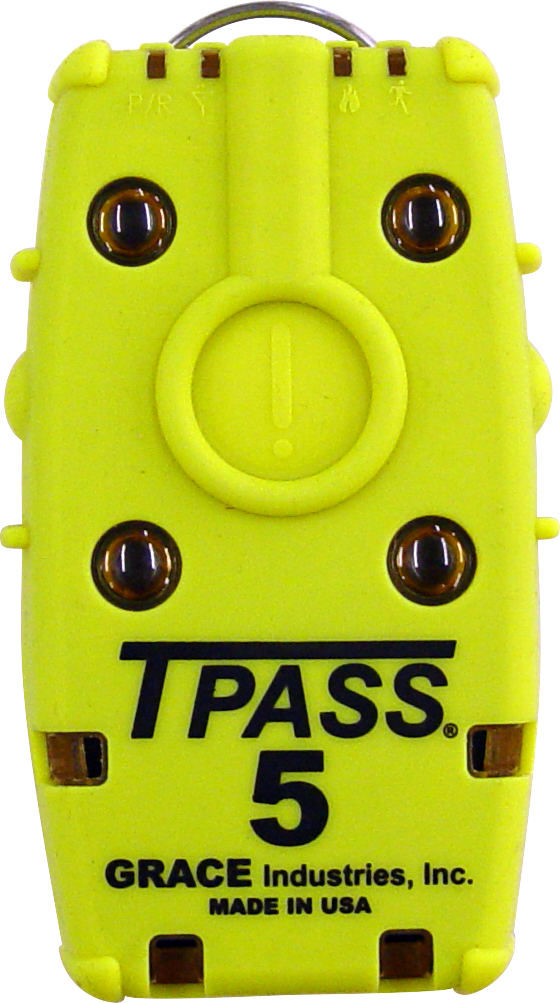
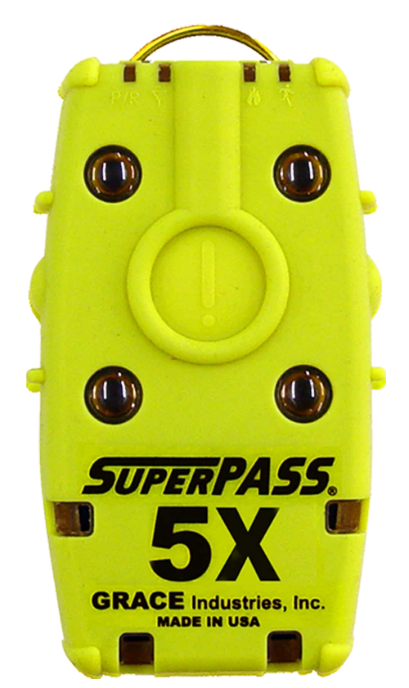
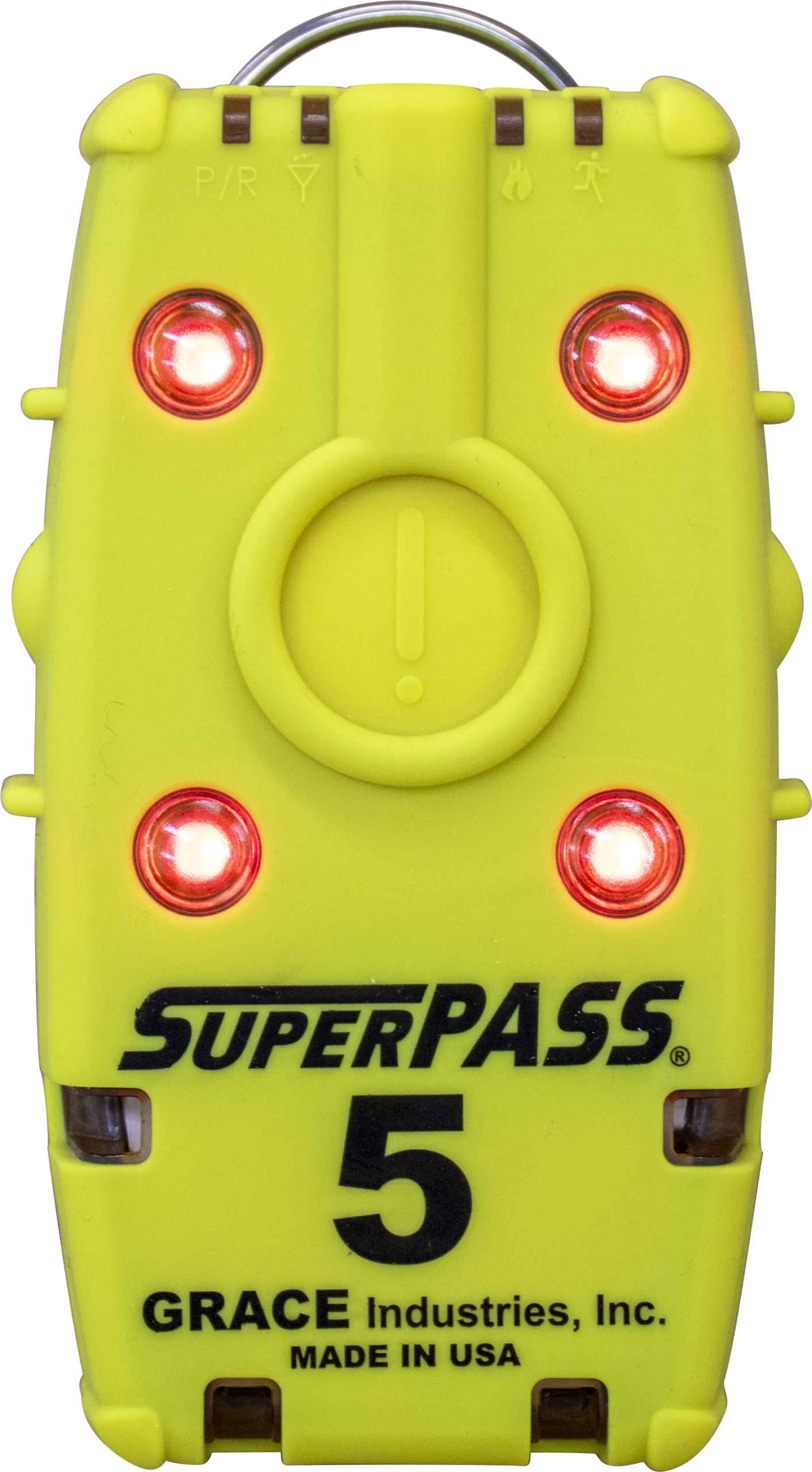
There is only one NFPA compliant standalone RF telemetry PASS available on the market today, it’s Grace’s TPASS® 5. Grace also offers the SuperPASS®5X that comes with the additional RF hardware of the TPASS® 5. It functions just as the non-telemetry SuperPASS® 5 until you’re ready to turn it into an RF telemetry PASS down the road with a simple firmware upgrade. Once upgraded, it functions just like the TPASS® 5 with no-motion, MAYDAY, EVAC, PAR-Check, Roll-Call, Abandon, and Voluntary-Withdrawal signaling.
| Feature | SuperPASS® 5 | SuperPASS® 5X | TPASS® 5 |
|---|---|---|---|
| NFPA-compliant standalone PASS | Yes | Yes | Yes |
| No-motion, manual MAYDAY, loud local alarm | Yes | Yes | Yes |
| Auto-on accountability key | Yes | Yes | Yes |
| RF hardware in the unit | No | Yes | Yes |
| Field upgrade to RF PASS | No | Firmware only | n/a |
| Wireless MAYDAY to command | No | After upgrade | Yes |
| Automated PAR-Check, Roll-Call, EVAC | No | After upgrade | Yes |
| Subscription required | None | None | None |
Important note: All standalone PASS and RF Telemetry PASS devices DO NOT REQUIRE SCBA for protecting the firefighter and maintaining NFPA 1500 compliance, which mandates that every firefighter involved in rescue, fire suppression, or hazardous duties must be provided with and use a PASS device.
Emergency Signaling and Automated Accountability - How the monitoring happens
Grace’s TPASS® 5 and upgraded SuperPASS®5X are designed to work with Grace’s In-Command® First-In and In-Command® Full Crew software platforms, providing real-time emergency signaling and automated accountability.
In-Command® First-In is an Android table-based tool. Paired with Grace's portable incident command monitor, it enables the first company officer on scene to receive MAYDAY alerts and transmit EVAC signals before arrival of the full command post.
In-Command® Full Crew is the full-featured incident-command platform for Windows PCs and tablets. It provides automated accountability while monitoring all RF telemetry PASS devices on scene, receiving MAYDAY alerts, transmitting EVAC signals, conducting PAR-Checks and Roll-Calls, logging incident data and more.
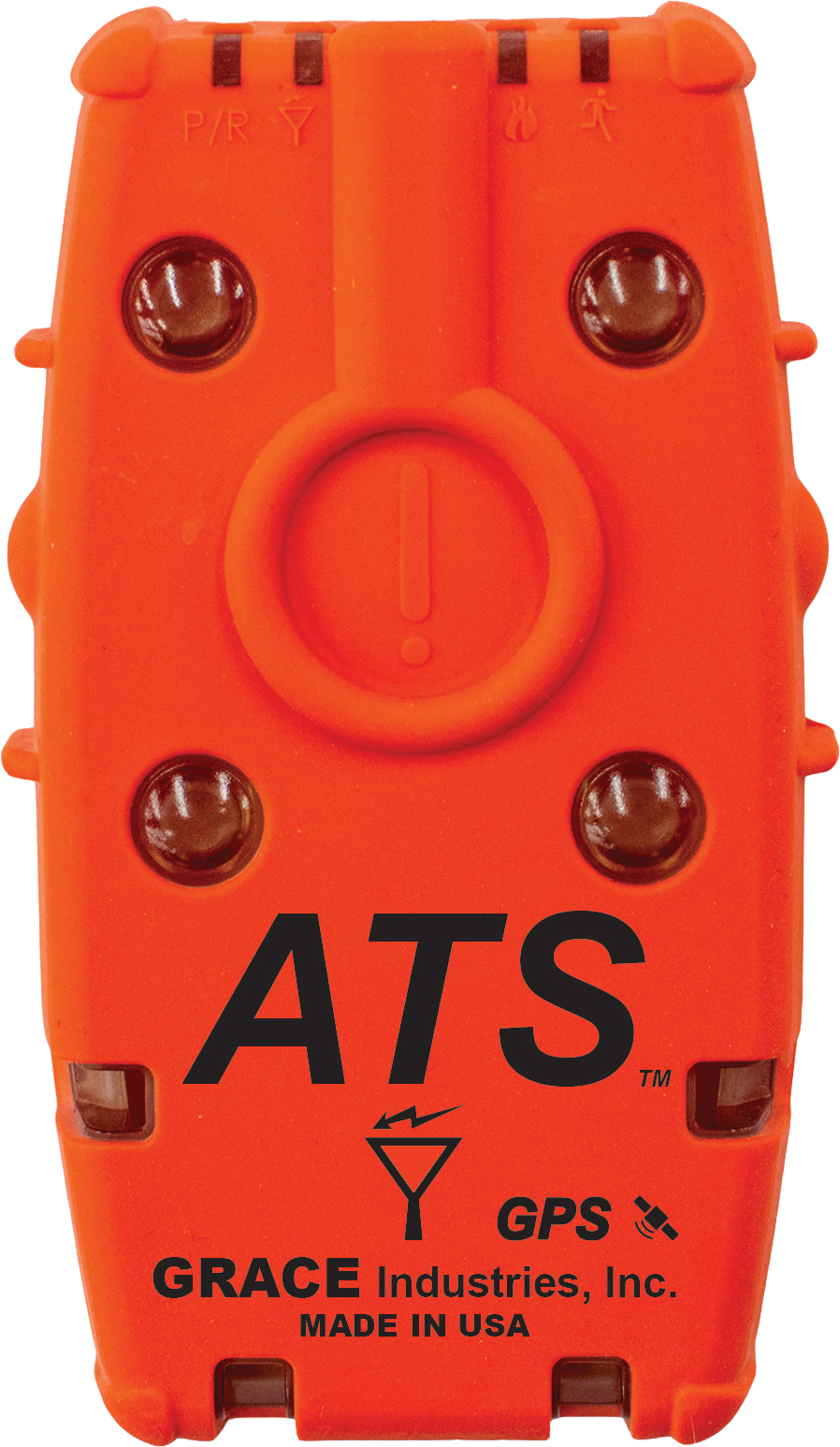
Personnel outside the hot-zone who are not equipped with a TPASS®5 or upgraded SuperPASS®5X can be integrated into the same In-Command® Emergency Signaling and Accountability system through Grace non-PASS pendants, including SuperCELL®, WorkForce® and ATS.
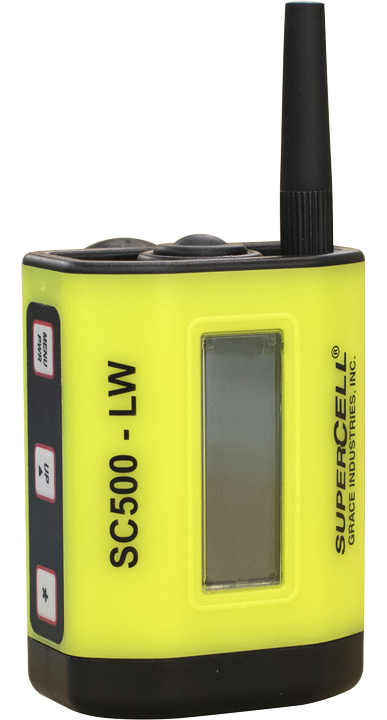
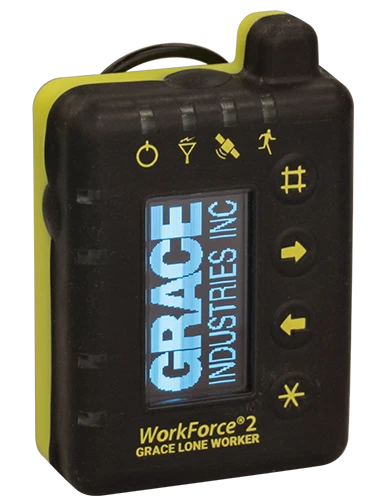
SuperCELL® SC500 and WorkForce® WF2 are compact, pocket-sized pendants designed for Incident Command personnel. They display no-motion and MAYDAY alarms and can send EVAC signals to all firefighters equipped with TPASS®5 or upgraded SuperPASS®5X.
ATS provides the same RF telemetry accountability and emergency signaling capabilities as the TPASS®5, but without no-motion sensing. It is ideal for firefighters using a SCBA system with an integrated PASS who do not want a second no-motion sensing alarm. ATS can operate as a standalone RF telemetry accountability and emergency signaling device, remaining with the firefighter even if the SCBA is removed.
TPASS®5, SuperPASS®5X, and ATS help extend protection to overhaul, investigation, and interior operations, supporting the goal of ‘Protecting All Personnel at All Times’.
Frequently asked questions
What is the difference between a PASS and an RF Telemetry PASS?
A standard PASS sounds its local audible and visual alarms only. A telemetry RF PASS does that, plus sends an RF signal of identity and status directly to Incident Command for MAYDAY, PAR, Roll-Call, EVAC, Abandon, and Voluntary-Withdrawal without tying up a voice radio channel.
Does In-Command® use the fireground voice channel?
No. Emergency Signaling and Automated Accountability runs on a separate, secure, unlicensed RF band with intelligent Smart-Signal® repeat technology forming an ad-hoc high-performance mesh-like system.
Can a SuperPASS® 5 be upgraded to an RF Telemetry PASS?
No, only SuperPASS®5X via firmware upgrade used with In-Command® software can become an RF Telemetry PASS. Specify SuperPASS®5X if a RF Telemetry PASS is planned or is a possibility in the future.
Is there a subscription?
No, there are no subscriptions for In-Command® First-In or In-Command® Full Crew.
What is In-Command® First-In versus In-Command® Full Crew?
In-Command® First-In uses an Android tablet and a portable incident command monitor and is for the first-arriving officer. In-Command® Full Crew is the full incident-command Emergency Signaling & Automated Accountability system for a Windows PC or tablet. In-Command® can significantly reduce risk of voice communication breakdowns and ineffective firefighter accountability systems. In-Command® with TPASS®5 and upgraded SuperPASS®5X keep MAYDAY, EVAC and PAR-Check off the voice radio channel.
Grace Industries has been protecting those who protect us for over 50 years. Our SuperPASS® 5, SuperPASS® 5X and TPASS® 5 standalone PASS devices meet and exceed NFPA 1970 (2025 ed.), and the SuperPASS® 5X converts to a full telemetry TPASS® 5 with a field software upgrade. To learn more, visit us at graceindustries.com or contact us at 724-962-9231 or at sales@graceindustries.com.
This article was drafted with the assistance of AI which can make mistakes.
Next step